How to Choose the Perfect Balayage Hair Color for Your Look
Looking for the perfect balayage hair color to enhance your look? Choosing the right balayage shade can transform your hair with natural, sun-kissed highlights that suit your skin tone, style, and personality.
From warm caramel to cool ash tones, the right balayage can add depth, dimension, and effortless beauty to any hairstyle. Discover how to pick the perfect balayage that complements your features and lifestyle.
1. What Is Balayage and Why It’s Popular
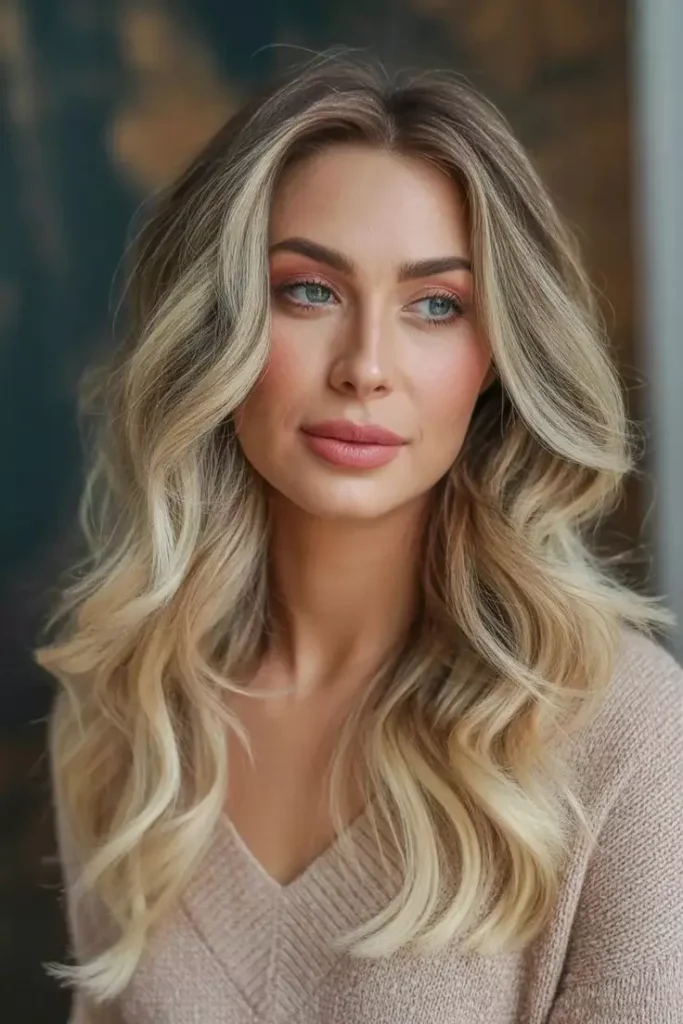
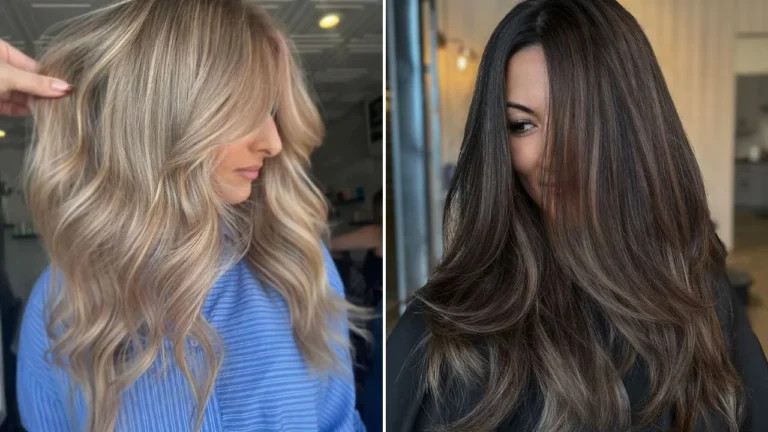
Balayage is a freehand highlighting technique where color is painted onto the hair in a way that creates a natural, sun-kissed look. Unlike traditional foil highlights, balayage grows out more naturally, requiring less frequent touch-ups. Its popularity comes from its versatility, low maintenance, and the effortless, soft finish it gives, making hair appear luminous and multi-dimensional. It works beautifully on all hair lengths and textures, giving everyone a personalized glow. Many celebrities have popularized it, which has made balayage a go-to style worldwide.
2. Picking Balayage Shades for Your Skin Tone
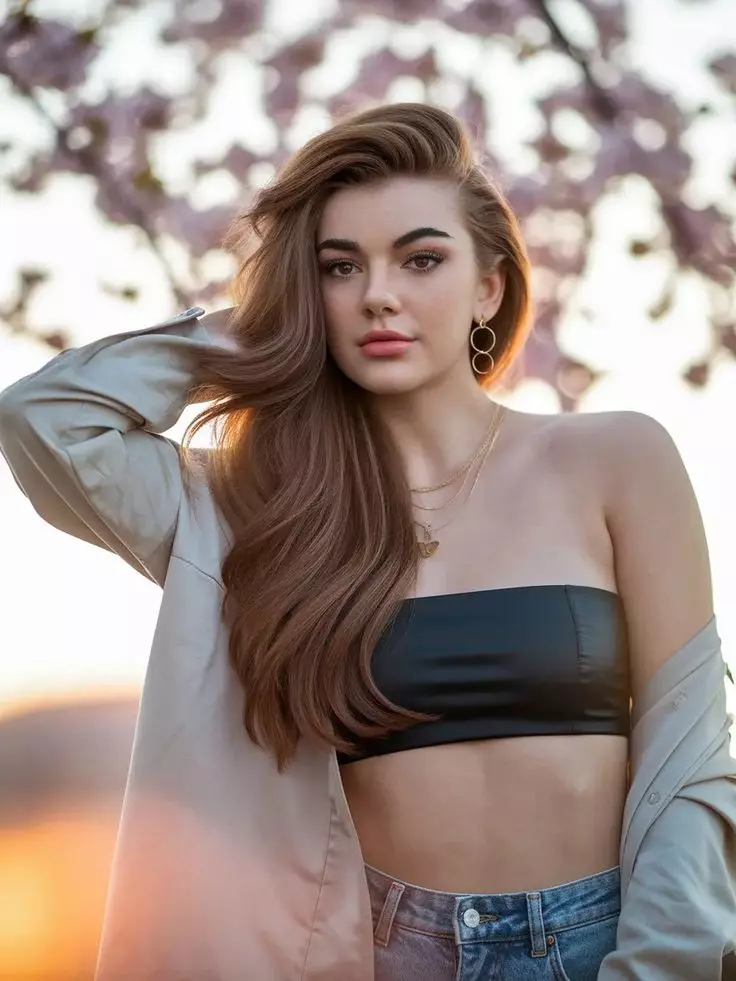
Choosing the right balayage shade starts with understanding your skin tone. Warm skin tones pair beautifully with caramel, honey, or golden shades, while cool skin tones shine with ash, platinum, or beige balayage. Neutral skin tones can experiment with a mix of warm and cool tones. Matching the color to your undertones ensures your balayage enhances your natural glow. Trying a few temporary shades or hair chalks first can help you visualize the look. A well-chosen tone will make your complexion appear brighter and healthier.
3. Matching Balayage with Your Natural Hair Color
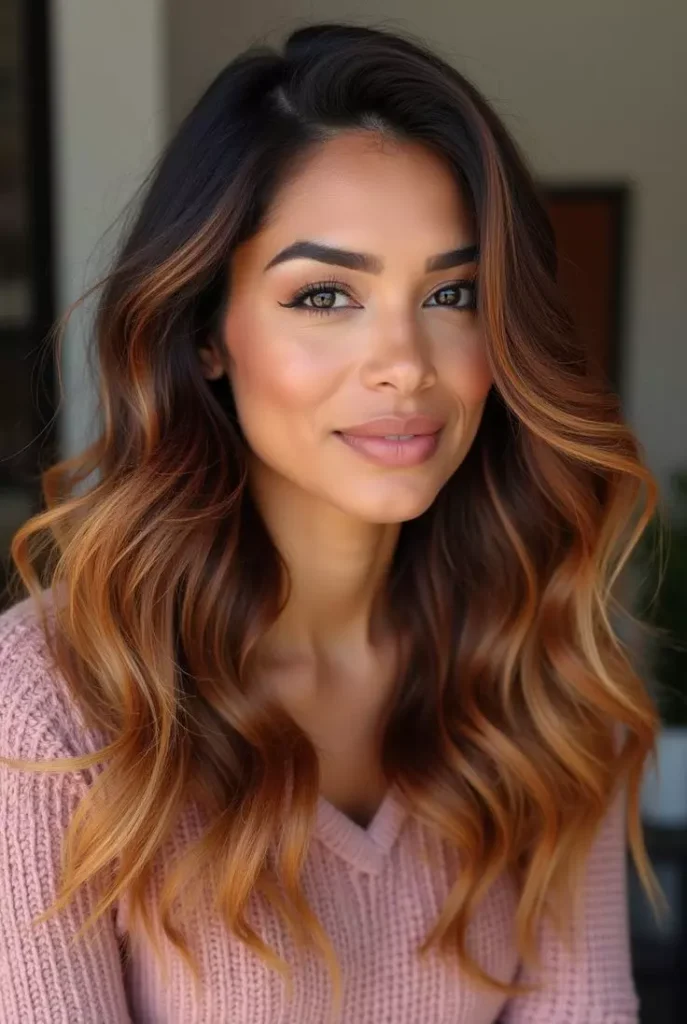
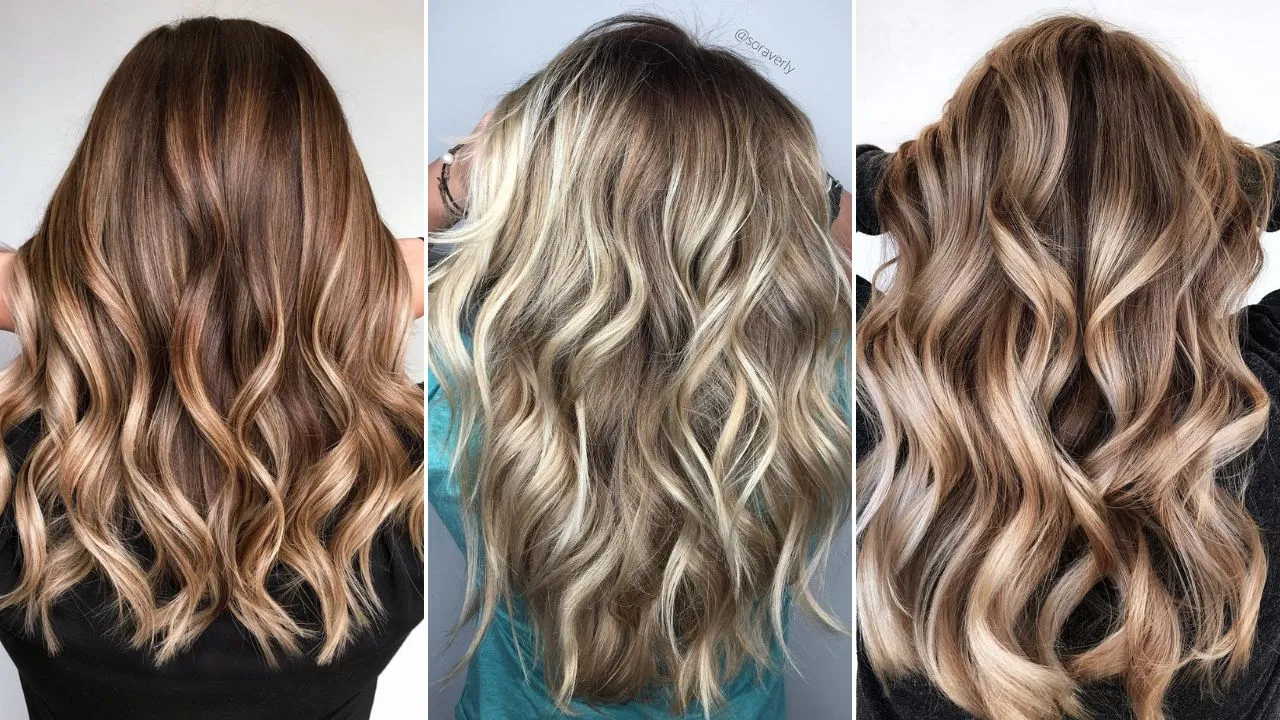
Your base hair color plays a crucial role in selecting the perfect balayage. Darker hair looks stunning with caramel, chestnut, or copper highlights, while medium brown or blonde hair can carry soft honey, sandy, or platinum tones. Choosing shades that blend naturally with your base prevents harsh contrasts and keeps your hair looking healthy and harmonious. Even subtle changes can dramatically enhance your overall style. Consulting a professional colorist ensures the best transition between shades.
4. Light vs. Subtle Balayage: Choosing Contrast
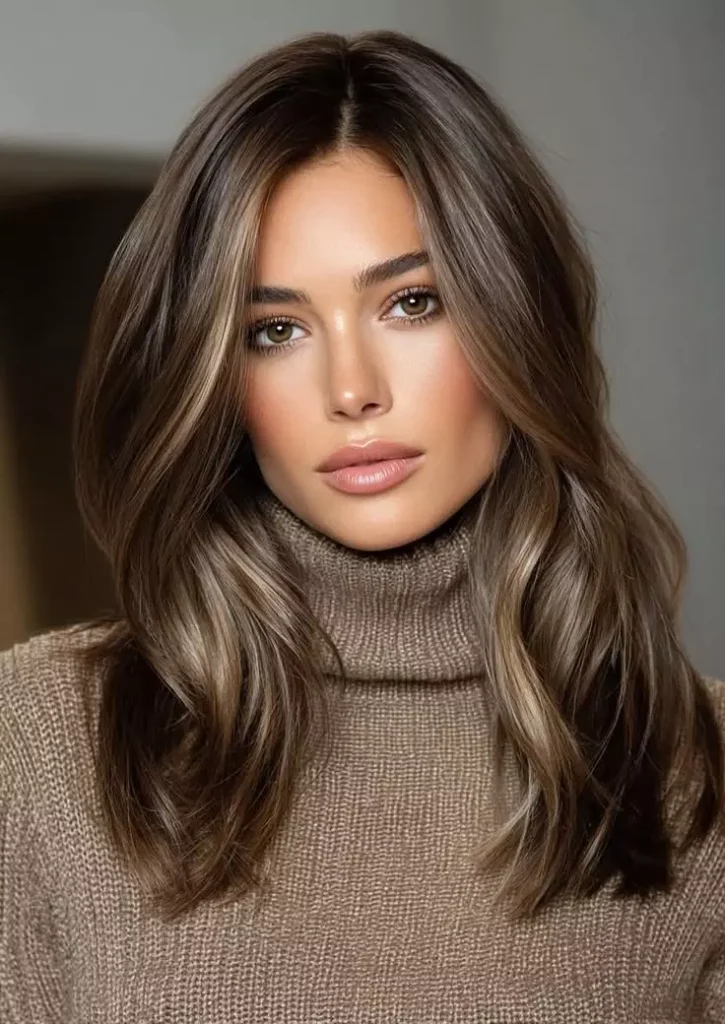
Balayage can be bold or subtle depending on the look you want. High-contrast balayage creates a striking, fashion-forward effect, while subtle balayage offers a natural, barely-there glow. Your lifestyle and personal style should guide this choice—high-contrast may need more upkeep, while subtle tones are ideal for a low-maintenance, everyday look. Consider how often you can visit the salon, as lighter highlights may require more touch-ups. Subtle balayage often looks more natural as your hair grows out.
5. Warm or Cool: Tone Decisions for Balayage
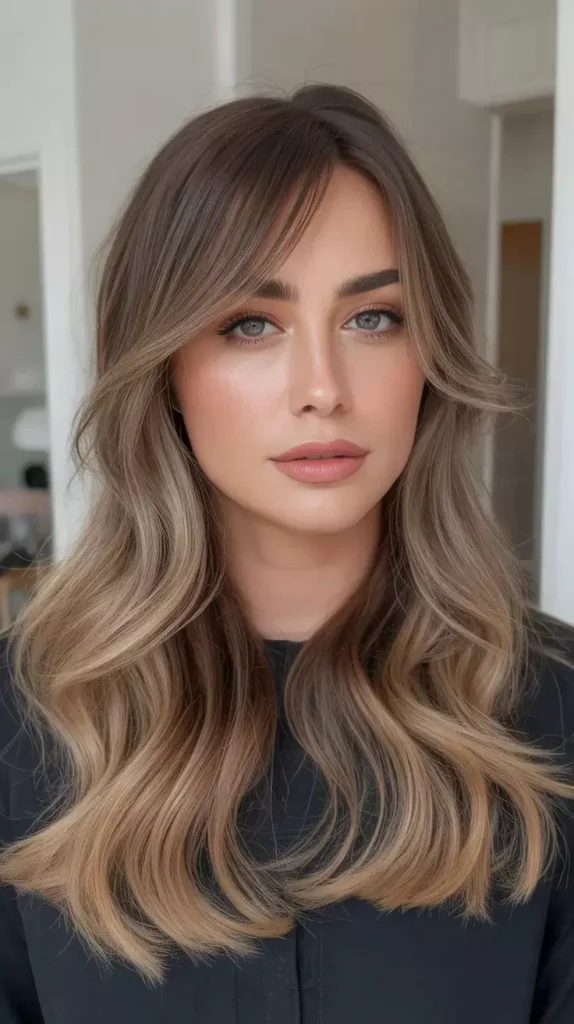
Balayage comes in warm and cool shades, and your choice can dramatically affect your overall appearance. Warm tones (golden, caramel, copper) add vibrancy and warmth, while cool tones (ash, platinum, beige) give a soft, modern, and sophisticated vibe. Consider your wardrobe, makeup, and personal style when deciding which tone will complement you best. Mixing a few shades can create depth and movement in your hair. Your hair’s natural undertone should guide the final choice for a harmonious look.
6. Highlight Placement for Your Face Shape
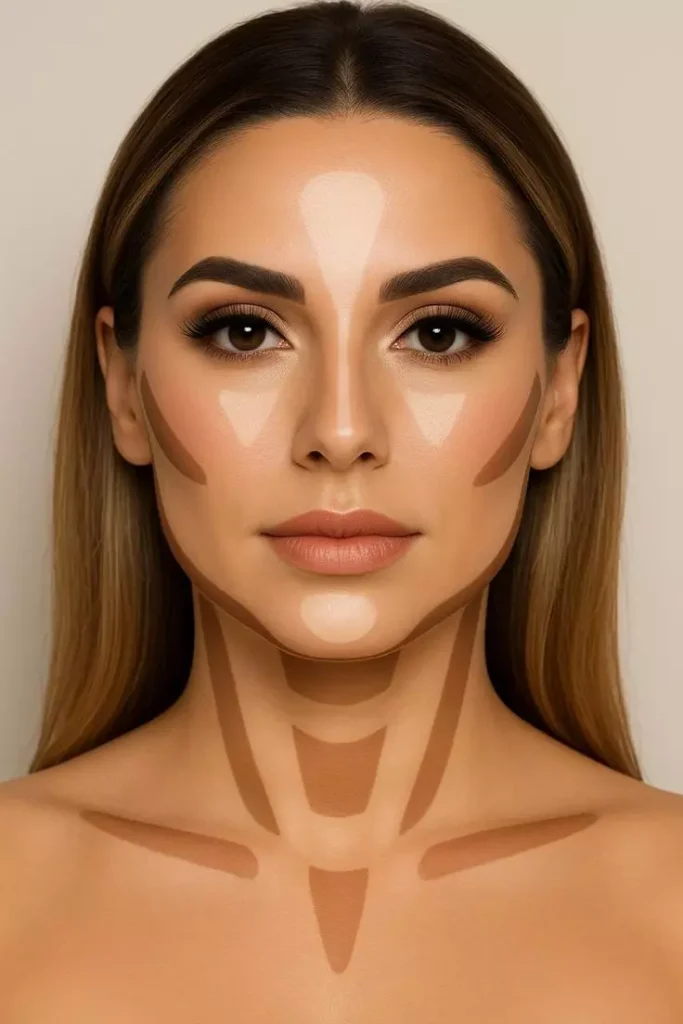
Strategic placement of balayage highlights can enhance your facial features. For round faces, highlights around the face create slimming effects. Long faces benefit from highlights starting mid-length to add width. Heart-shaped faces shine with lighter tones near the jawline and cheekbones. Tailoring placement ensures the balayage accentuates your natural beauty. Even subtle changes in placement can change how light reflects on your face. Proper placement can also balance uneven tones or shadow areas for a flattering look.
7. Low-Maintenance Balayage Tips
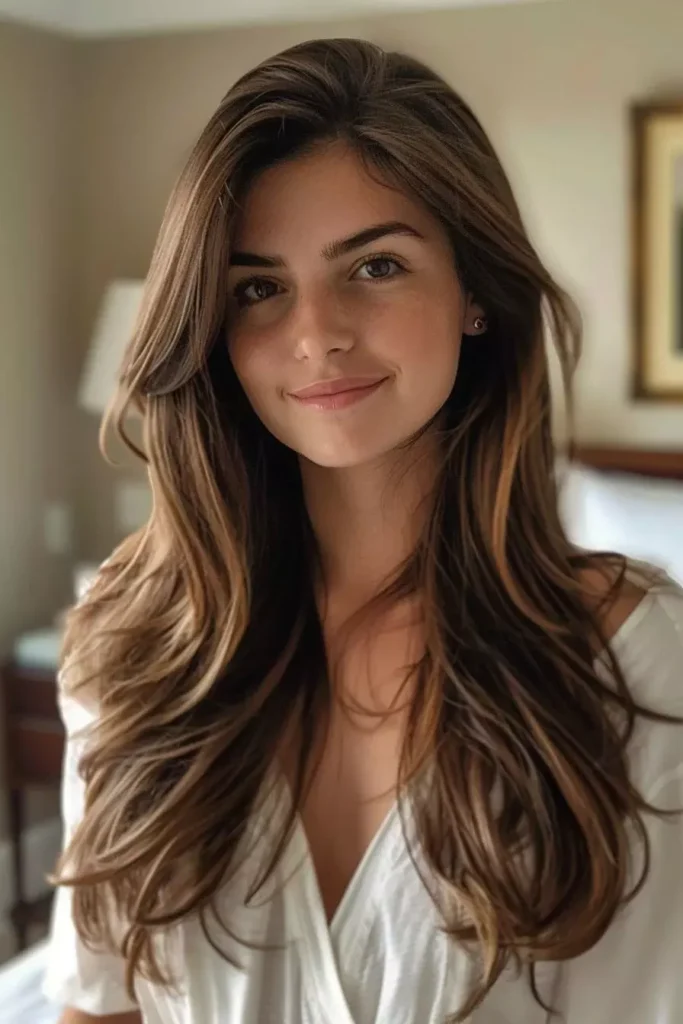
One of balayage’s biggest advantages is low maintenance. Opt for shades close to your natural color, and avoid high-contrast highlights if you prefer fewer salon visits. Using color-safe shampoos, deep conditioning treatments, and minimizing heat styling will help maintain vibrancy and prevent damage, keeping your balayage looking fresh longer. Regular trims also help prevent split ends and keep your color looking seamless. Using leave-in conditioners or hair oils can prolong shine and softness.
8. Seasonal Balayage Trends to Try
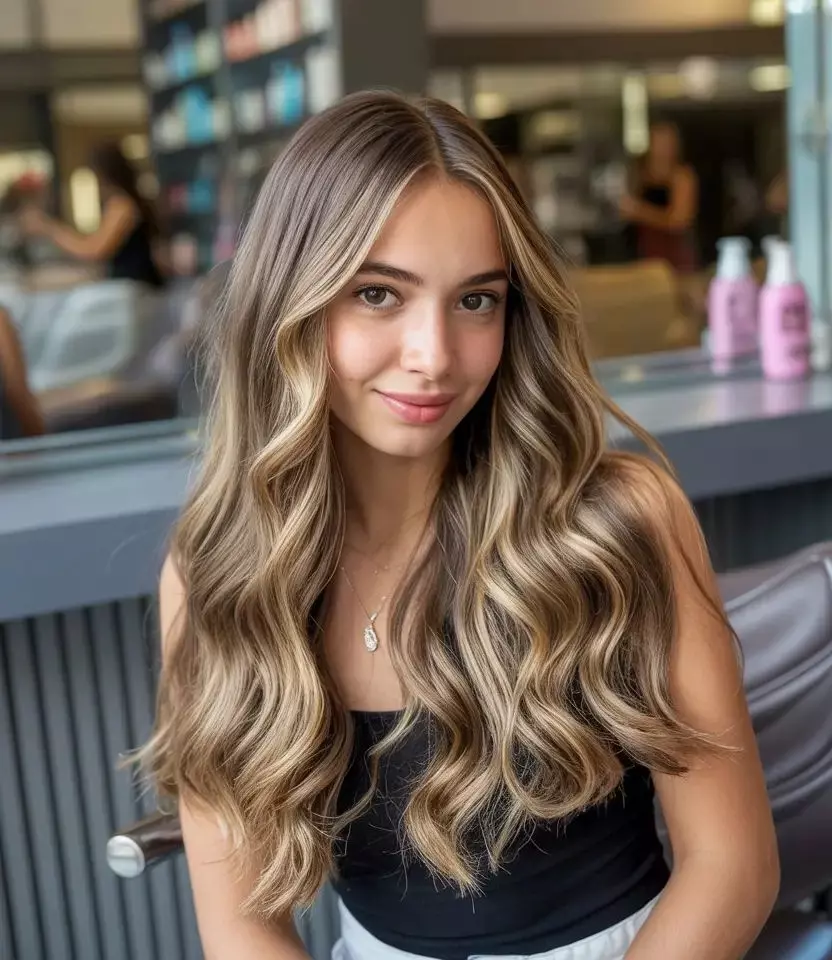
Balayage trends change with the seasons. Summer calls for sun-kissed, golden tones, while autumn suits rich caramel and copper shades. Winter and spring often feature cooler, icy blonde or soft beige highlights. Following seasonal trends lets you refresh your look while keeping your hair color modern and stylish. Experimenting with seasonal shades can make your style feel current and fresh. You can even mix warm and cool tones for a unique, personalized look.
9. Questions to Ask Your Hair Stylist
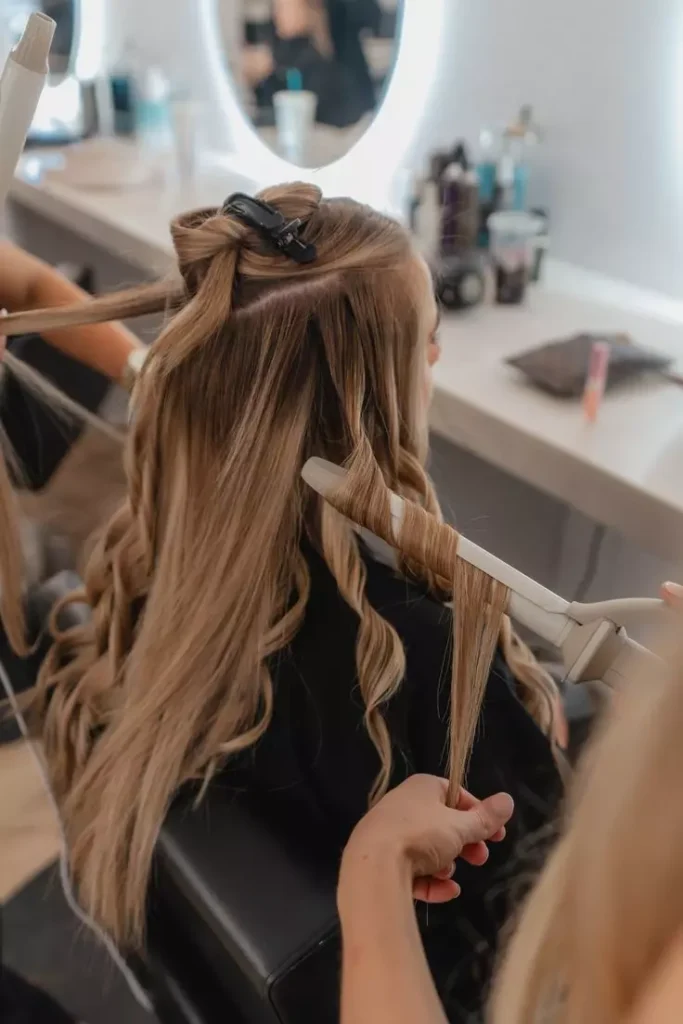
Before getting balayage, preparing questions ensures you get the desired result. Ask about color recommendations for your skin tone, expected maintenance, how often touch-ups are needed, and which products will protect your hair. Sharing photos of your ideal look also helps your stylist understand your vision clearly. It’s also smart to discuss your hair’s history, like past color treatments, to avoid damage. A good stylist can suggest adjustments for your lifestyle and hair texture.
10. Balayage Ideas for All Hair Lengths and Textures
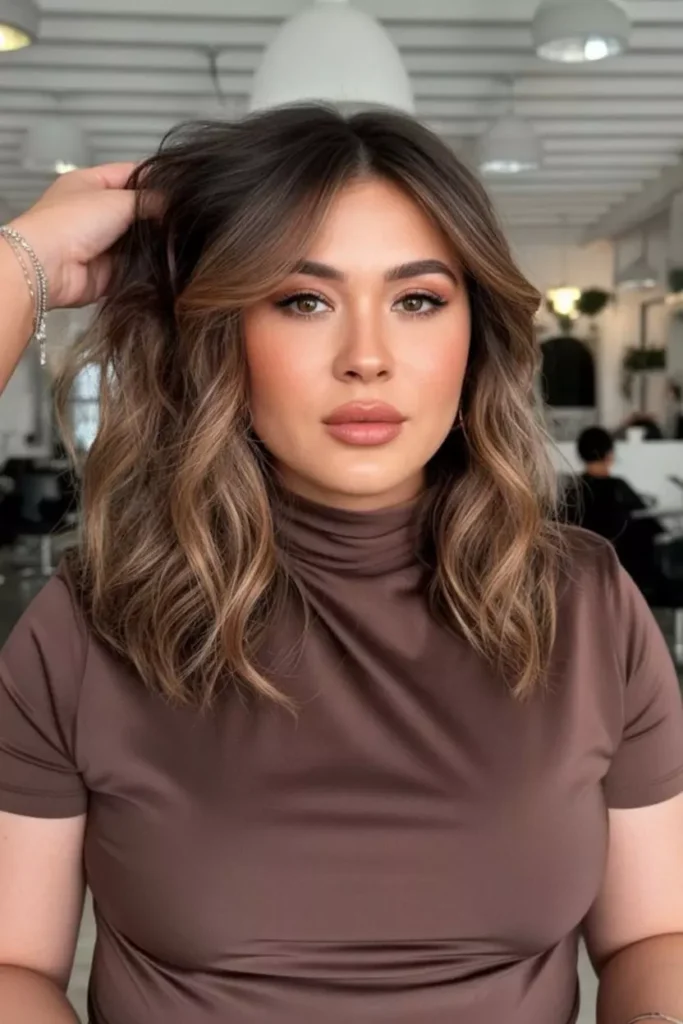
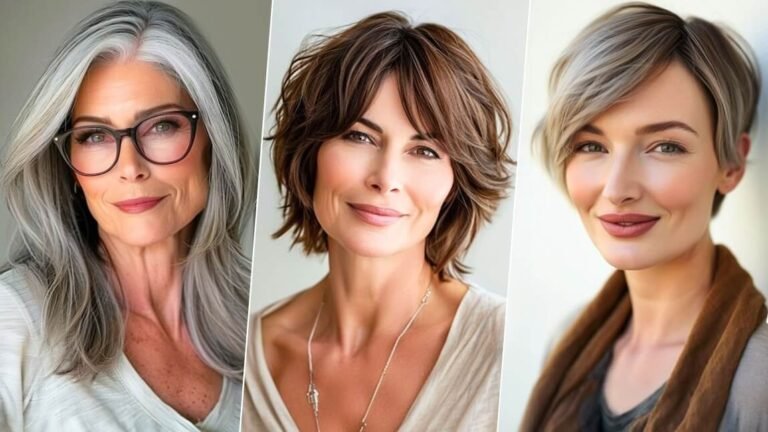
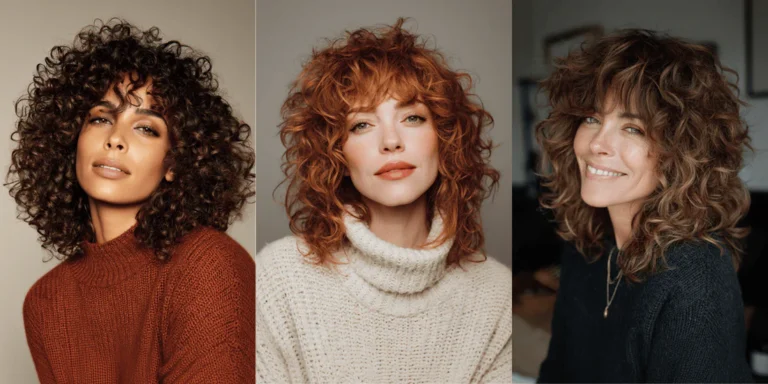
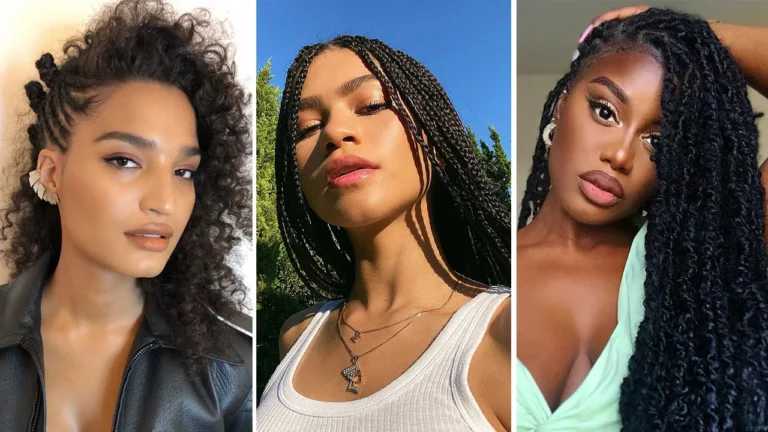
Balayage works on every hair type and length. Short hair benefits from subtle, face-framing highlights, medium hair allows for blended multi-dimensional shades, and long hair shines with dramatic, flowing color transitions. Curly and wavy hair adds natural depth, while straight hair shows off soft gradients beautifully. You can also layer different balayage tones for extra dimension. Proper styling after coloring can enhance the overall effect, making the highlights pop naturally.
FAQs
1. What is balayage hair color?
Balayage is a freehand highlighting technique that creates natural, sun-kissed streaks in your hair, giving a soft and blended look.
2. How do I choose the right balayage shade for my skin tone?
Warm skin tones suit caramel, honey, or golden shades, while cool skin tones look best with ash, platinum, or beige balayage. Neutral tones can experiment with both.
3. Does balayage damage hair?
Balayage is less damaging than traditional highlights because it doesn’t require full-head bleaching. Proper care and conditioning keep hair healthy.
4. How often should I touch up my balayage?
Balayage is low-maintenance and grows out naturally. Most people visit the salon every 3–4 months, depending on hair growth and contrast.
5. Can balayage work on all hair lengths and textures?
Yes! Short, medium, or long hair, as well as straight, wavy, or curly textures, can all look stunning with balayage. Placement and tone can be adjusted accordingly.
Conclusion
Choosing the perfect balayage hair color is all about finding shades that complement your natural hair, skin tone, and personal style. With the right tone, placement, and maintenance, balayage can transform your hair into a soft, radiant, and effortlessly stylish look.
Whether you prefer warm, cool, subtle, or high-contrast balayage, this versatile technique adds dimension and beauty to any hairstyle while keeping maintenance low. By consulting a professional stylist and following proper care tips, your balayage can stay vibrant and flawless for months.