30+ Crochet Jellyfish Pattern Easy Amigurumi Jellyfish Tutorial for Beginners
Crochet jellyfish patterns are a popular choice among amigurumi lovers because they are simple and beginner-friendly. This design is inspired by soft and flowing ocean jellyfish shapes. It helps beginners learn basic crochet skills in an easy way. The project uses simple stitches and basic materials. Many people enjoy making it as a relaxing hobby. It is also great for handmade gifts and home decoration. The jellyfish looks cute and can be customized in many colors. It improves creativity and focus while crafting. It is a perfect starter project for crochet beginners.
What is Amigurumi Crochet Art
Amigurumi is a Japanese crochet technique used to create small stuffed toys. These toys are usually shaped like animals or fantasy characters. A crochet jellyfish is a popular example of amigurumi art. It uses simple stitches to form three-dimensional shapes. The goal is to create soft and adorable toys. Beginners find it easy and enjoyable to learn. It also helps improve hand coordination and patience. Many crafters sell amigurumi items online. It has become a global crafting trend.
Materials Needed for Crochet Jellyfish
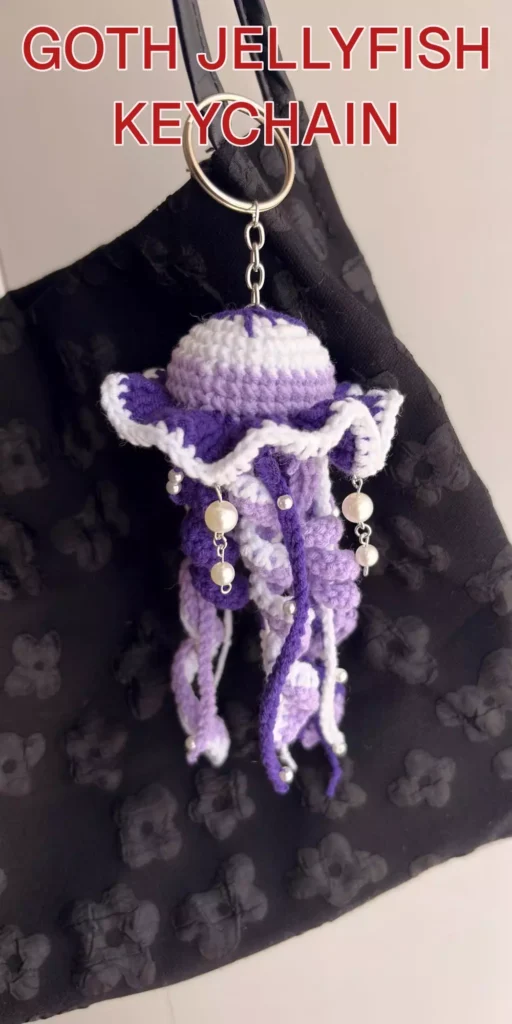
To make a crochet jellyfish, you need basic crafting materials. Yarn is the most important item for this project. A suitable crochet hook is required based on yarn thickness. Stuffing material is used to fill the body. Scissors are needed to cut yarn neatly. A yarn needle helps in stitching parts together. Safety eyes can be added for decoration. Stitch markers help track rounds easily. All materials are easily available in craft stores.
Choosing the Right Yarn for Beginners
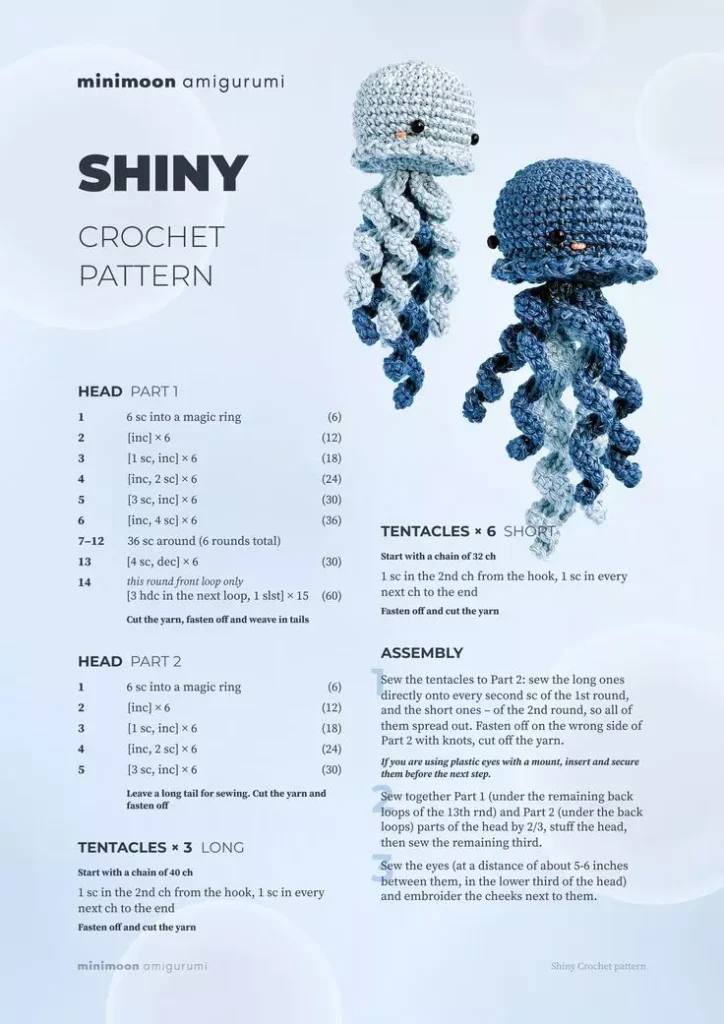
Choosing the right yarn is an important step in crochet projects. Acrylic yarn is best for beginners because it is soft and affordable. Cotton yarn provides a smooth and durable finish. Thick yarn creates a larger jellyfish toy. Thin yarn is used for smaller and delicate designs. Bright colors make the toy more attractive. Pastel shades give a soft and cute appearance. Multi-color yarn adds creativity. Yarn choice affects the final look and texture.
Basic Crochet Stitches You Must Know
Before starting, you should learn basic crochet stitches. Single crochet is the most important stitch in amigurumi. Chain stitch is used to start patterns. Slip stitch helps in joining rounds. The magic ring is used for circular designs. Increase and decrease stitches help shape the toy. These stitches are easy for beginners to practice. They form the foundation of crochet work. Practicing them improves your skills. Consistent practice is essential.
Understanding Jellyfish Body Structure
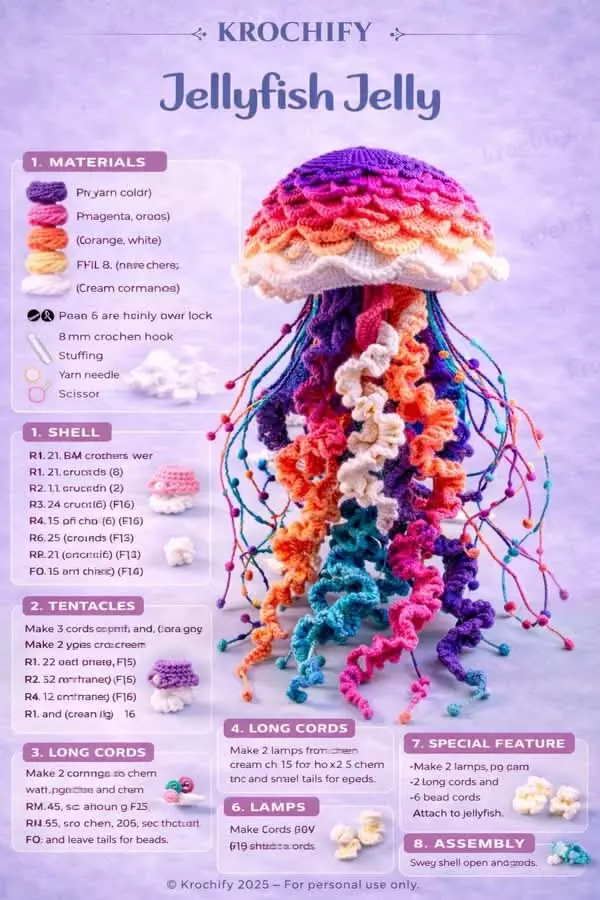
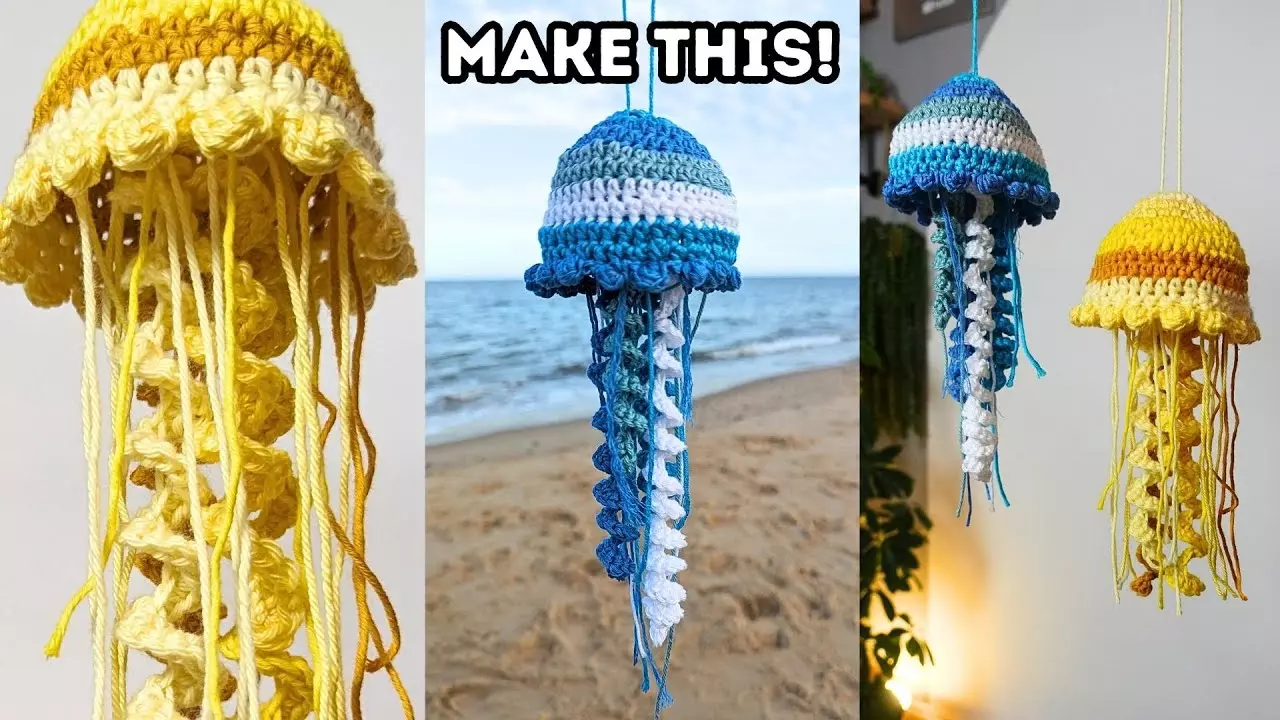
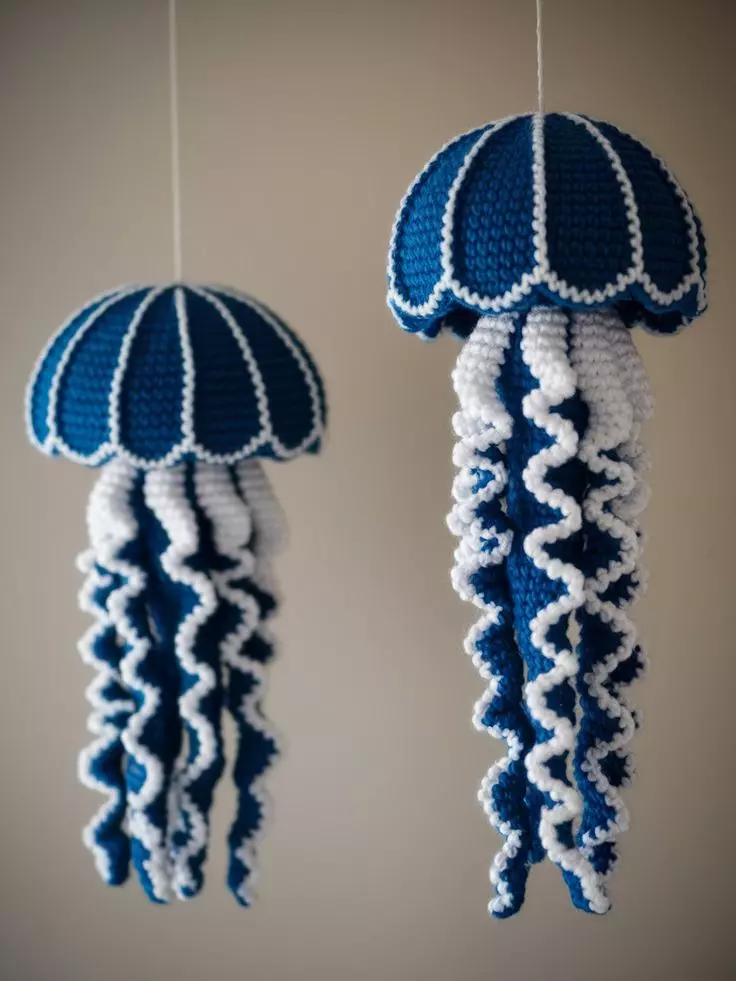
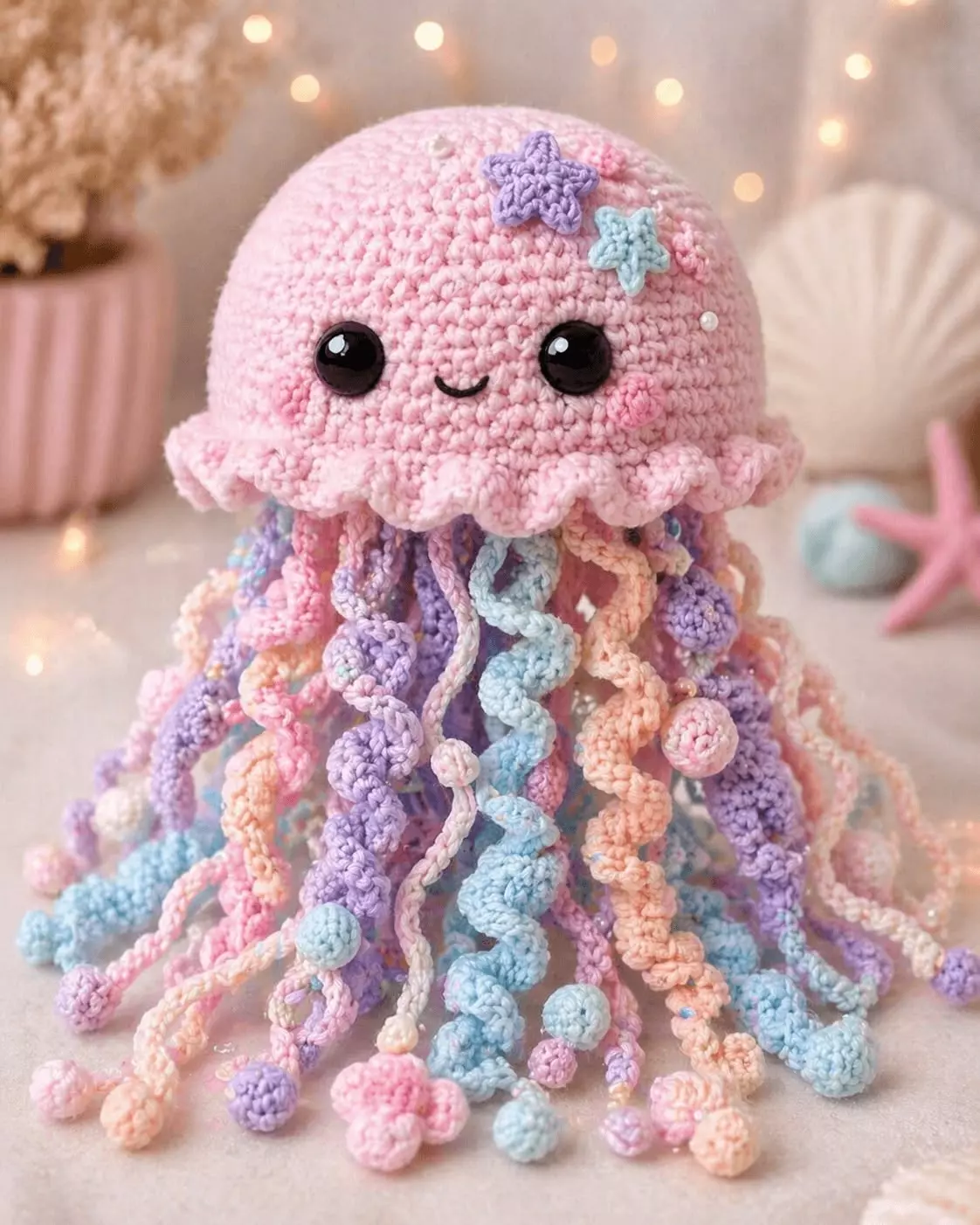
The crochet jellyfish has a simple and attractive structure. It includes a round dome-shaped head. Below it are soft and flowing tentacles. The body is filled with stuffing material. This makes it soft and plush-like. The design is inspired by real jellyfish. It can be made in different sizes easily. The structure is simple for beginners to understand. It is flexible and creative.
Step-by-Step Pattern Overview
The crochet jellyfish is made step by step. First, a magic ring is created. Then stitches are increased to form a dome shape. After that, the body is shaped evenly. Next, facial features are added. Finally, tentacles are made and attached. Each step is simple and beginner-friendly. The process is relaxing and enjoyable. The final result is a cute handmade toy.
Importance of Stitch Counting
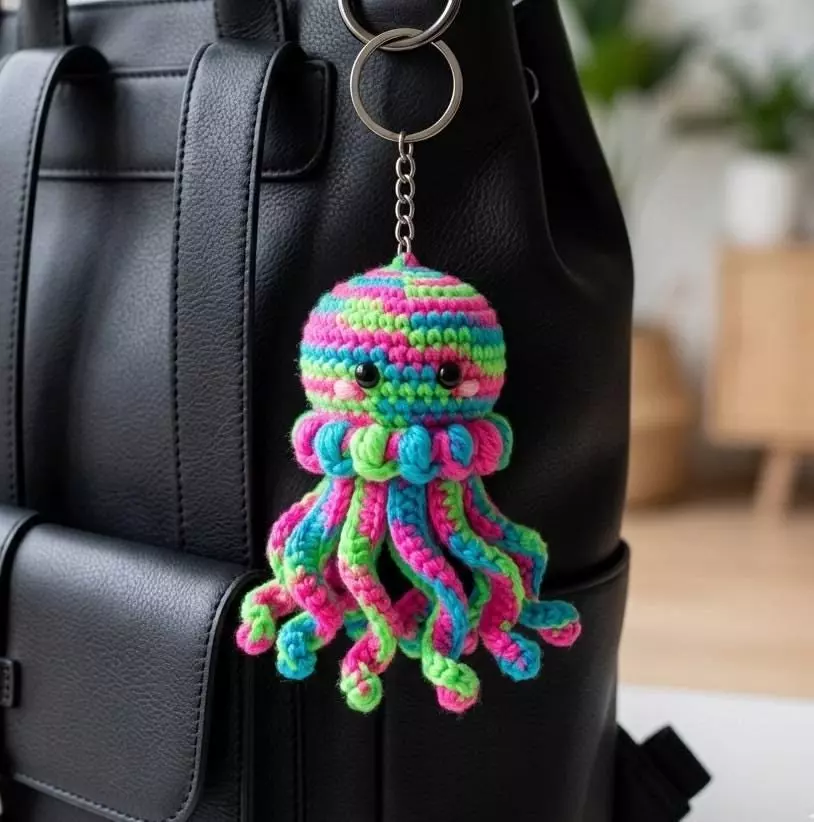
Stitch counting is very important in crochet work. It ensures the correct shape and structure. Missing stitches can affect the design quality. Counting helps maintain accuracy in every round. It prevents uneven patterns. Stitch markers help beginners track progress. Regular checking improves results. Good counting makes the toy look professional. It is an essential crochet skill.
How to Create a Magic Ring
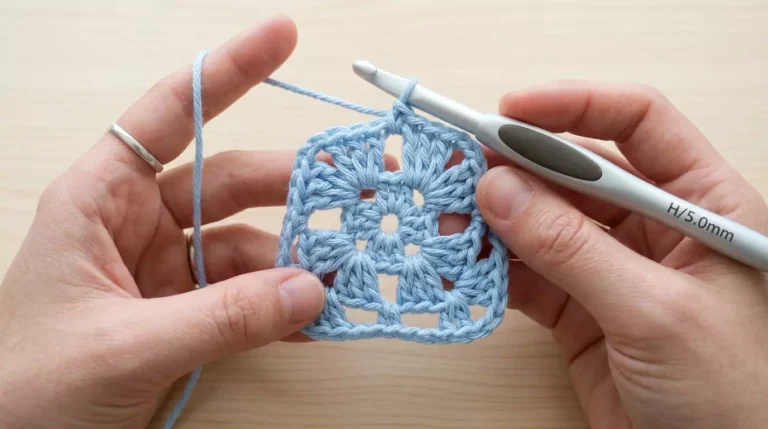
The magic ring is the starting point of amigurumi. It creates a tight and neat center. Yarn is wrapped around the fingers to begin. Stitches are worked into the loop. This technique helps avoid holes in the center. It is widely used in crochet patterns. It becomes easy with practice. It gives a clean circular base. It improves overall design quality.
Shaping the Jellyfish Dome
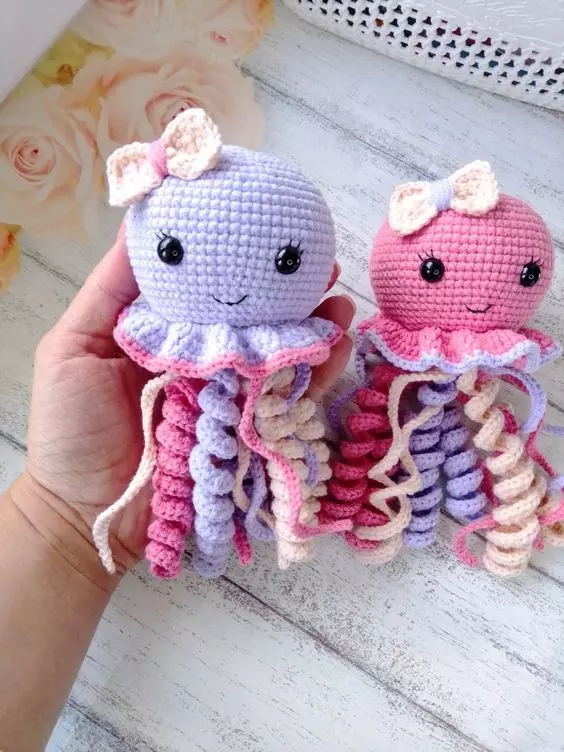
The dome is the main body of the jellyfish. It is formed using increase stitches. Each round gradually expands the shape. The top becomes smooth and rounded. Proper tension is very important. Tight stitches can distort the shape. Loose stitches can create gaps. The dome should be even and soft. It forms the base of the toy.
Adding Stuffing to the Body
Stuffing gives softness and shape to the jellyfish. Fiberfill is commonly used for this purpose. It should be added slowly and evenly. Overstuffing makes the toy hard. Understuffing makes it look flat. Balanced stuffing keeps the shape smooth. It improves the final appearance. It is added before closing the body. It is an important finishing step.
Creating Smooth Edges
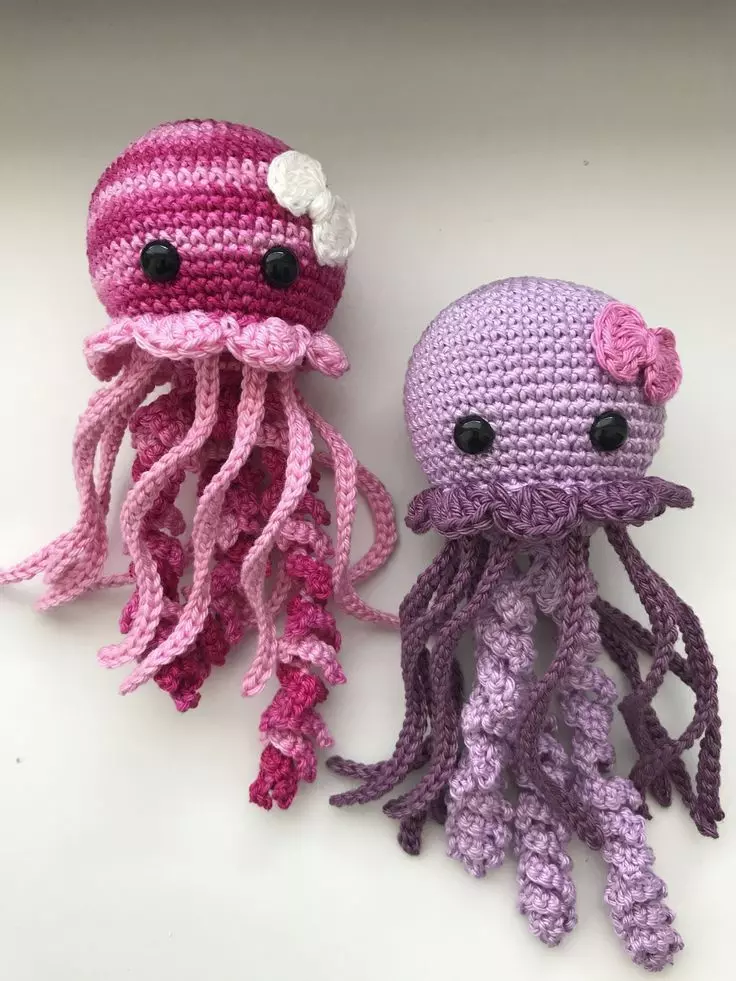
Smooth edges make the jellyfish look neat and professional. Uneven stitches should be avoided. Consistent tension is important throughout. Each round must be checked carefully. Smooth edges improve the final design. Beginners should work slowly. Mistakes should be corrected early. Clean finishing enhances beauty. It improves overall quality.
Attaching Safety Eyes
Safety eyes bring life to the jellyfish. They are inserted carefully into the body. Placement should be even and balanced. Small eyes give a cute look. Large eyes create a cartoon style. They must be fixed before closing the body. They are locked securely from inside. This prevents them from falling out. It adds personality to the toy.
Embroidering Facial Features
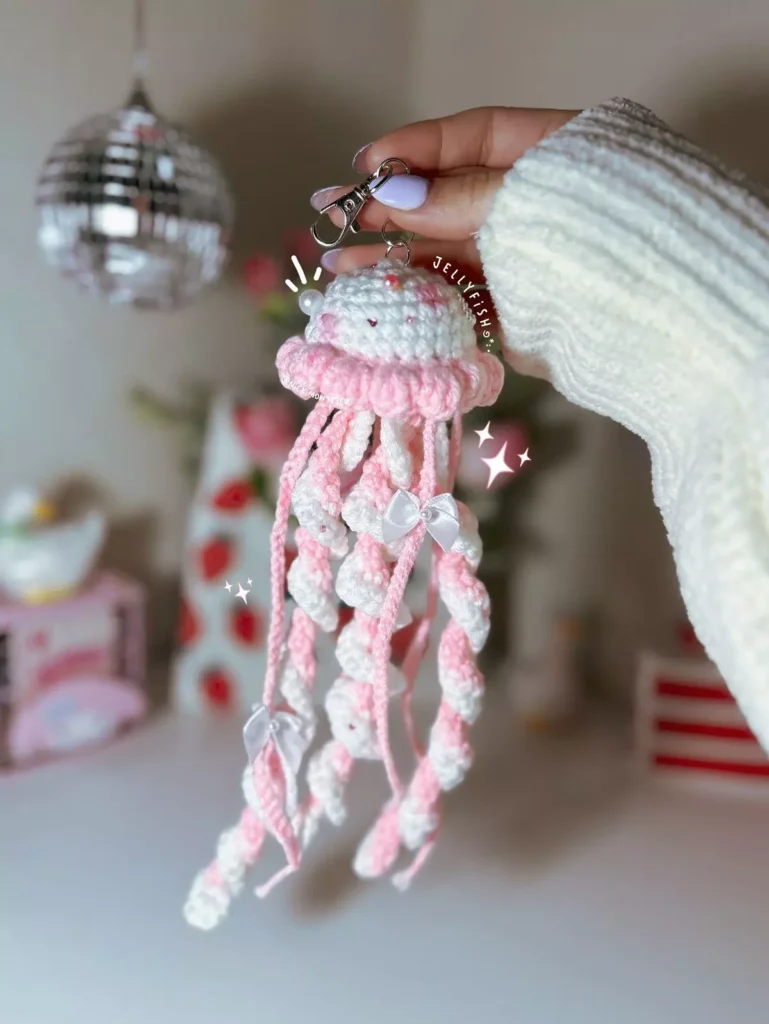
Embroidery is another option for facial features. Black yarn can be used for stitching eyes. A small smile can also be added. It gives a handmade artistic look. This method is safe for children. The thread must be strong and neat. Facial expressions improve the design. It increases creativity. It is beginner-friendly.
Designing Color Combinations
Color selection is very important in crochet. Ocean colors like blue and green are popular. Pink and purple give a cute appearance. Gradient yarn creates beautiful effects. Bright colors make the toy eye-catching. Soft tones give a calm look. Multi-color designs are creative. Color choice depends on personal preference. It enhances overall beauty.
Making Tentacles Step by Step
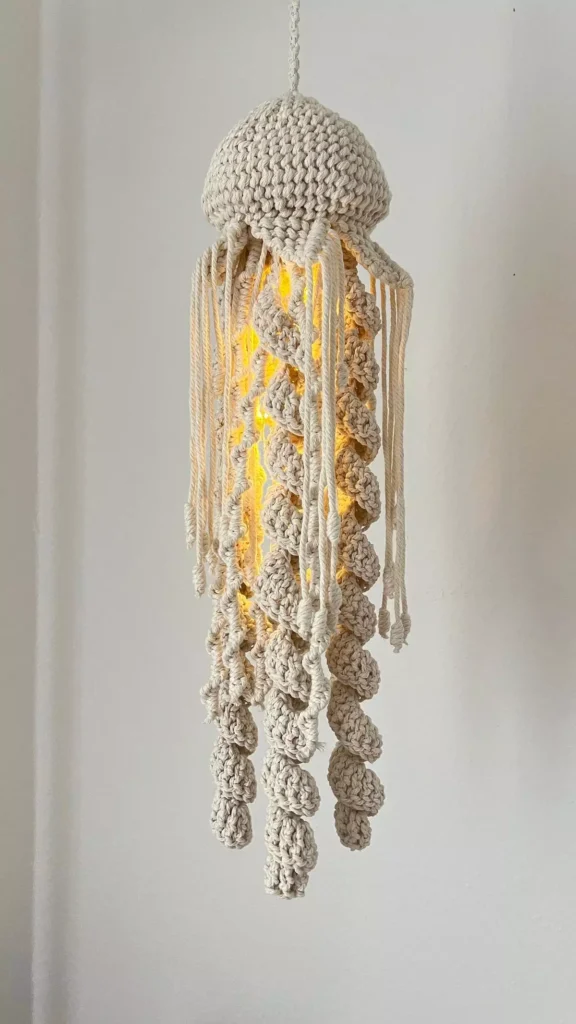
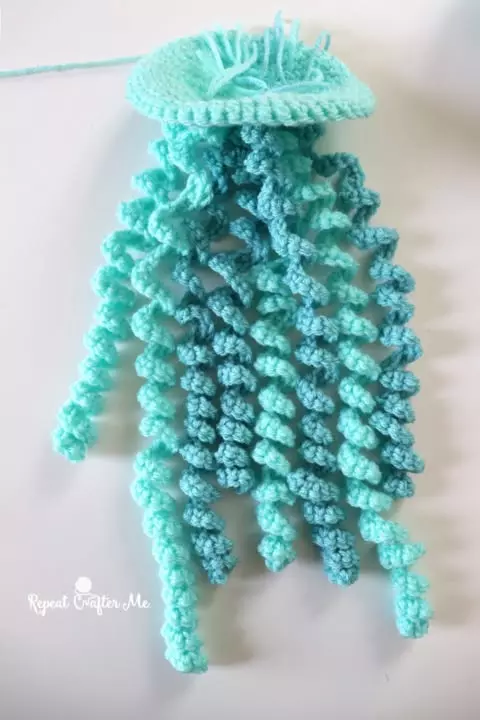
Tentacles are made using chain stitches. Multiple strands are created for fullness. Each strand can vary in length. Curling yarn gives a realistic effect. Different colors can be mixed. They are attached under the body. Placement should be even and balanced. This completes the jellyfish design. It adds movement and style.
Attaching Tentacles Properly
Tentacles must be attached carefully and securely. They should be evenly spaced. Uneven placement affects appearance. A yarn needle is used for fixing. Knots should be hidden properly. Strong attachment improves durability. It ensures a long-lasting design. It completes the lower structure. It gives a finished look.
Adjusting Jellyfish Size
Crochet jellyfish can be made in any size. Small ones are quick to finish. Large ones require more yarn and time. Hook size affects the final dimensions. Yarn thickness also matters. Beginners should start with small projects. Larger designs need more experience. Size is flexible and customizable. It depends on personal preference.
Beginner Tips for Success
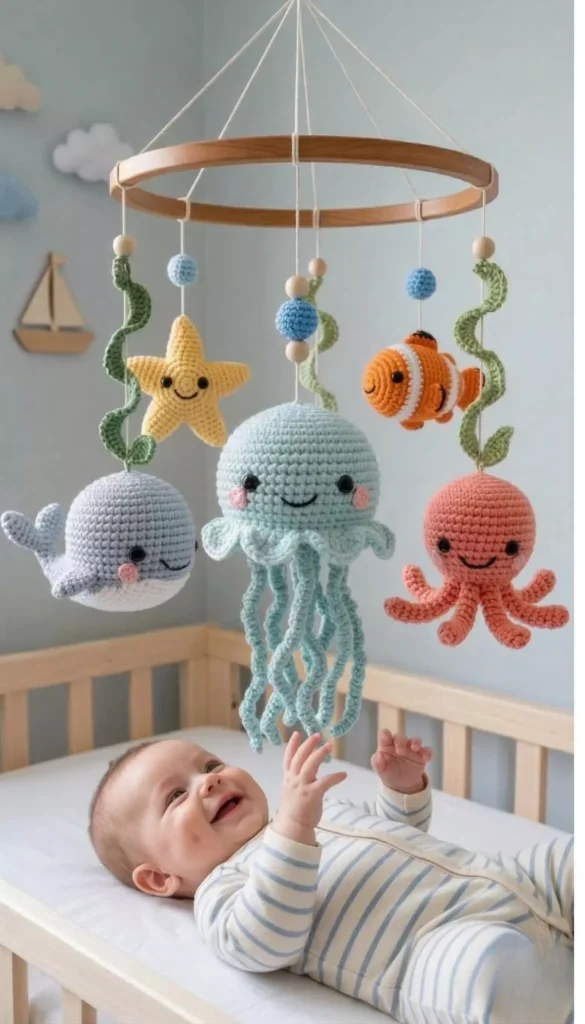
Beginners should start slowly and carefully. Practice basic stitches first. Follow instructions step by step. Do not rush the process. Count stitches regularly. Use stitch markers for guidance. Fix mistakes early. Patience is very important. Practice improves skill over time.
Common Mistakes to Avoid
Beginners often make common mistakes. Skipping stitches affects the shape. Wrong tension causes issues. Overstuffing changes the structure. Ignoring stitch count leads to errors. Wrong hook size creates problems. Not following the pattern causes confusion. Careful work avoids mistakes. Practice improves accuracy.
Choosing the Right Hook Size
The hook size must match the yarn thickness. Small hooks create tight stitches. Large hooks create loose stitches. The correct size ensures balance. Yarn labels help in choosing properly. A proper hook improves results. It gives a smooth crafting experience. It affects the final quality. It is very important.
Maintaining Even Tension
Even tension keeps stitches uniform. Loose tension creates gaps. Tight tension distorts the shape. Practice improves control. Beginners should work slowly. Consistency is key in crochet. Good tension improves appearance. It is essential for amigurumi work. It ensures a neat design.
Closing the Jellyfish Body
Closing the body is the final step. Decrease stitches are used gradually. The opening becomes smaller. Stuffing is adjusted inside. Final stitches are tightened carefully. No gaps should remain. Yarn is secured properly. This completes the structure. It gives a finished look.
Decorative Additions
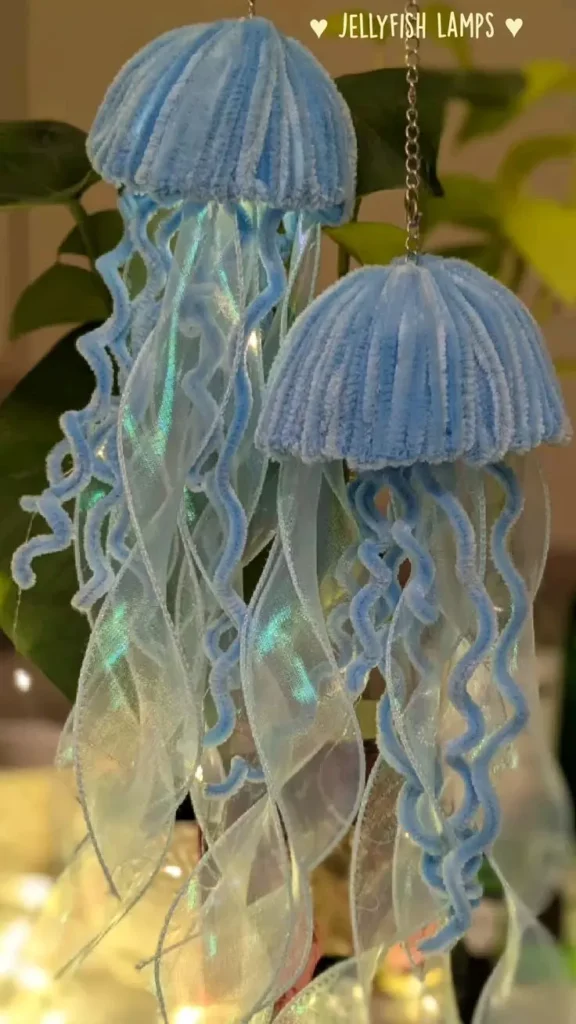
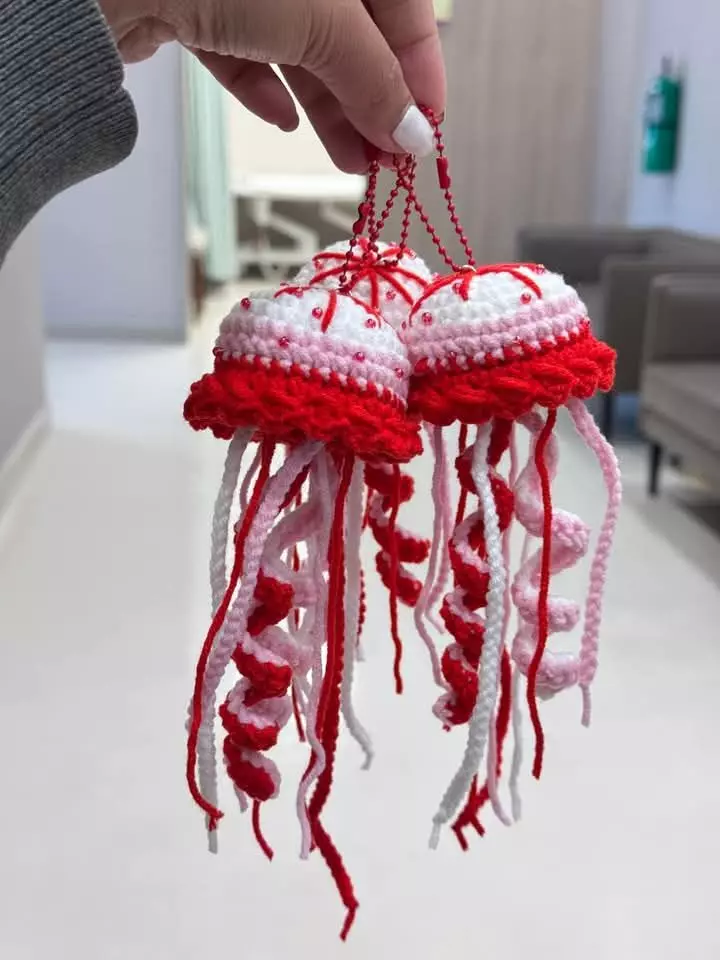
You can add decorations to the jellyfish. Beads or ribbons can be used. Glitter yarn adds shine. Accessories make it unique. Creativity is important in design. Decorations should be light. Over-decorating should be avoided. Simple designs look better. It increases beauty.
Using Jellyfish as Gifts
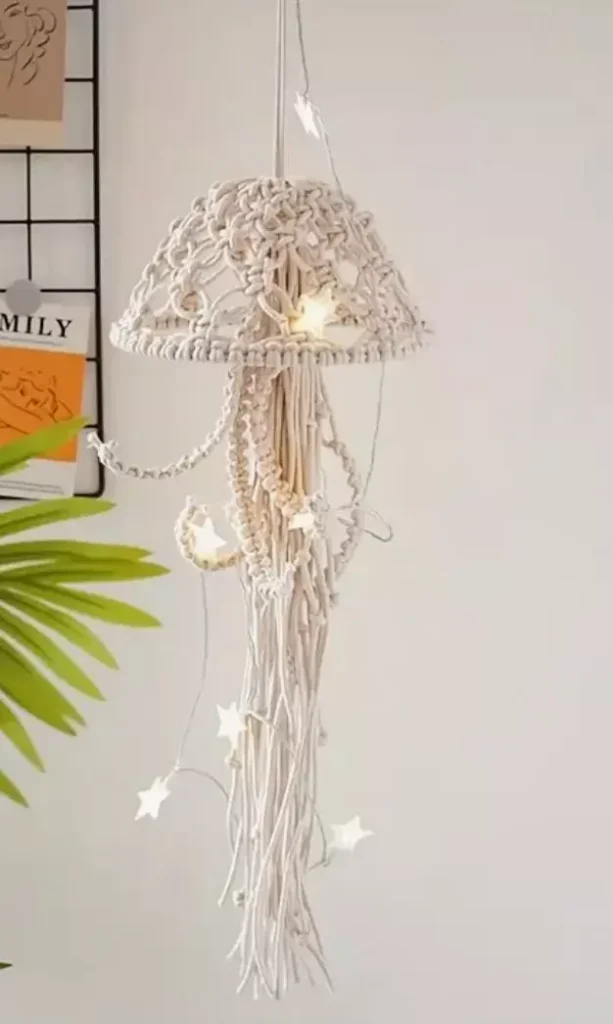
Crochet jellyfish is perfect for gifting. It is soft and cute. Suitable for kids and adults. Personalized colors make it special. Handmade gifts show care and effort. It is ideal for birthdays. Many people love it. It is thoughtful and unique. It is highly appreciated.
Selling Crochet Jellyfish Online
Many people sell crochet products online. Jellyfish toys are popular items. Etsy and similar platforms are commonly used. Good photos increase sales chances. Unique designs attract buyers. Pricing depends on size and detail. Handmade items have good value. It can become a business. It is a profitable hobby.
Washing and Care Tips
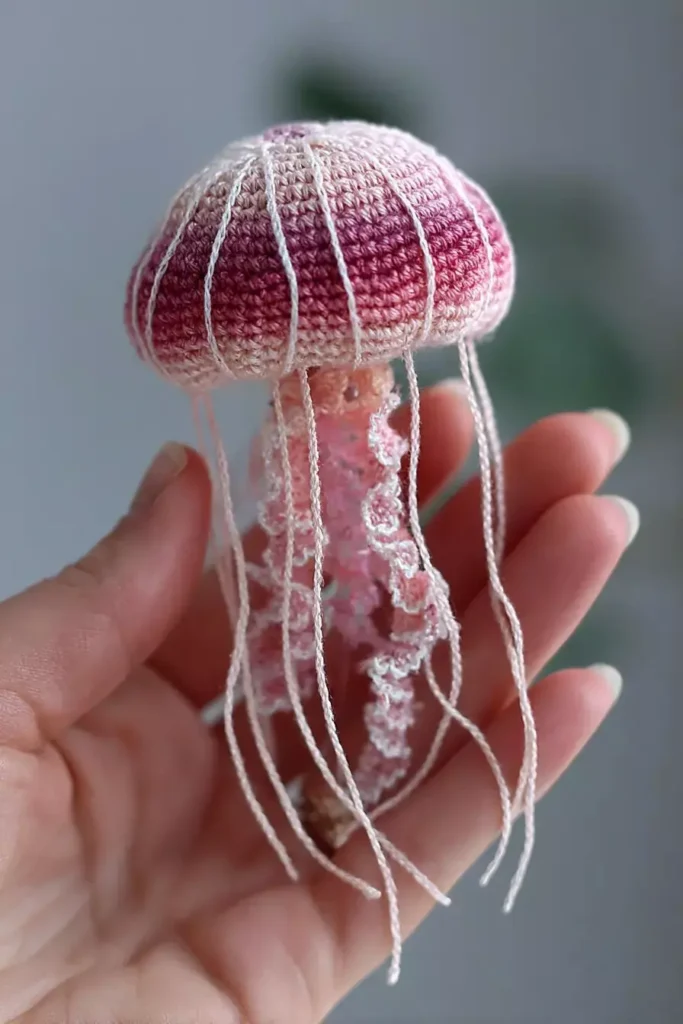
Crochet toys need gentle care. Hand washing is recommended. Mild soap should be used. Hot water must be avoided. Dry naturally in shade. Machine washing is not safe. Proper care increases durability. It keeps the toy clean. It maintains quality.
Storage Guidelines
Store crochet jellyfish properly in a dry place. Avoid dust and moisture. Use boxes or bags for protection. Keep away from direct sunlight. Proper storage maintains shape. It prevents damage. Good organization helps safety. It increases lifespan.
Customizing Designs
Customization makes each piece unique. You can change colors easily. Add different facial expressions. Modify tentacle styles. Mix different yarn types. Creativity is unlimited in crochet. Personal touch increases beauty. Each design becomes special. It makes crafting enjoyable.
Crochet Jellyfish for Kids
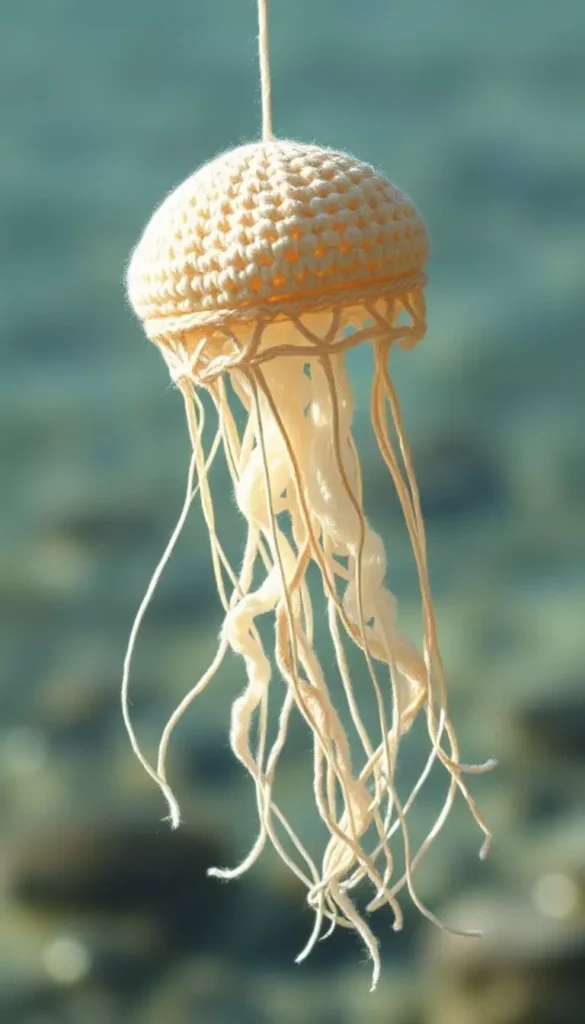
Kids love soft crochet toys. Jellyfish is safe and cute. Bright colors attract children. Soft texture makes it safe. It can be used as an educational toy. Handmade items have emotional value. It builds connection with kids. They enjoy playing with it. It is a perfect gift.
Seasonal Craft Ideas
Crochet jellyfish fits seasonal themes. It is great for summer decoration. Ocean themes are very popular. It suits beach events. Colorful designs match occasions. Handmade crafts look unique. It enhances decoration. Seasonal crafting is fun. It adds creativity.
Learning Crochet Skills
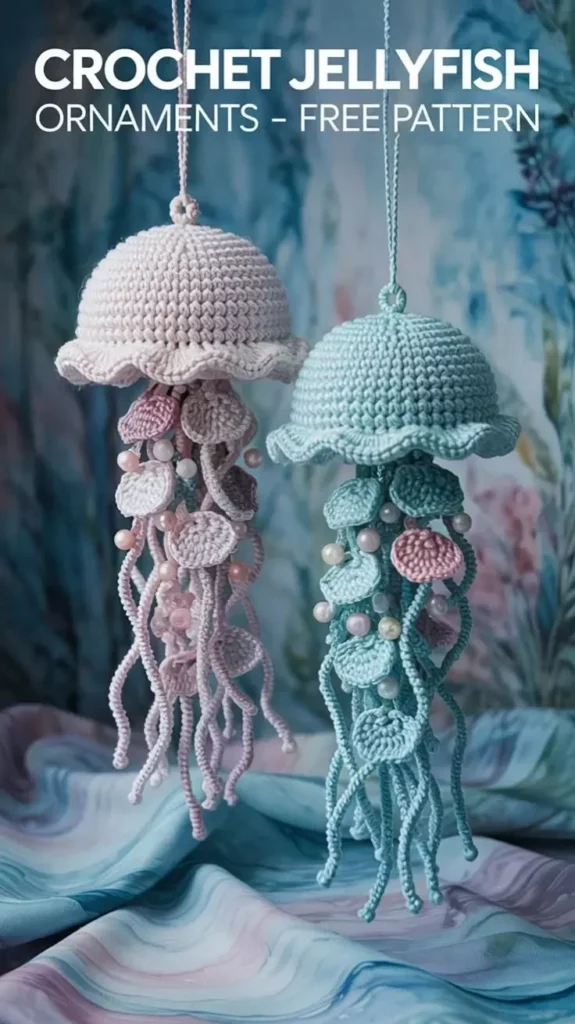
This project improves crochet skills. Beginners learn basic techniques. It builds confidence in crafting. Practice improves accuracy. It helps understand patterns. Skill development takes time. Regular practice is important. It opens new opportunities. Crochet becomes a fun hobby.
Advanced Crochet Variations
Advanced users can modify the design. Add textures for detail. Use complex stitches. Create larger toys. Mix yarn types creatively. Experiment with shapes. Creativity improves skill level. Advanced designs look professional. It enhances artistry.
Time Required for Project
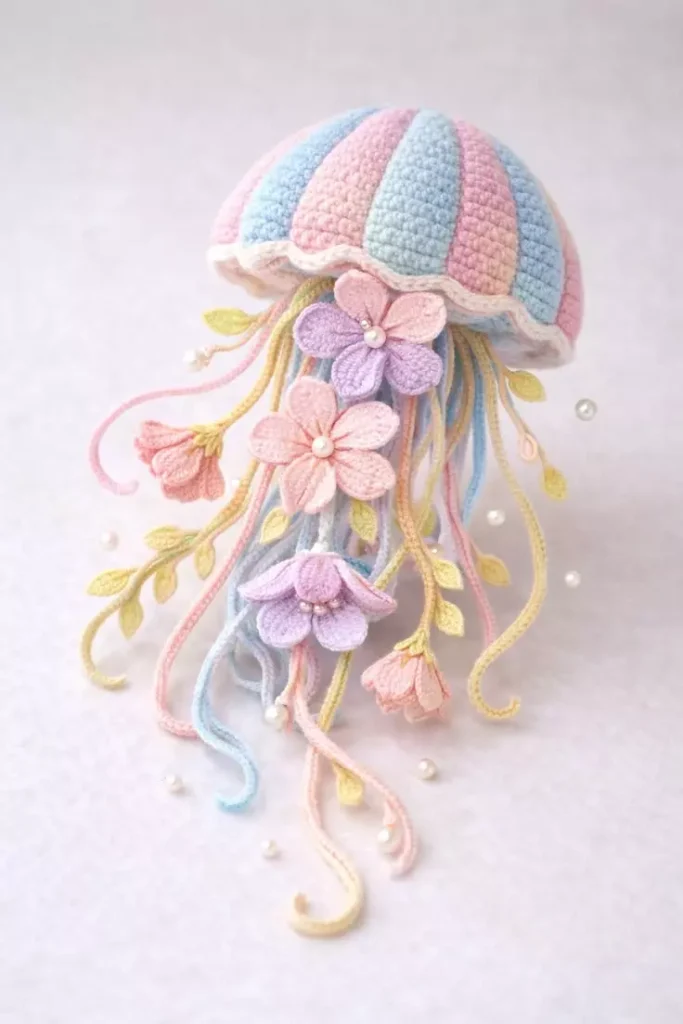
Time depends on experience level. Beginners take longer to complete. Small toys are faster to make. Large ones take more time. Practice improves speed. Focus helps efficiency. Patience is important. Quality matters more than speed. Time varies for everyone.
Cost Estimation
Crochet jellyfish is budget-friendly. Yarn is inexpensive. Hook is a one-time purchase. Stuffing is cheap. Overall cost is low. It is an affordable hobby. Handmade items save money. It is beginner-friendly. Easy to start.
Environmental Benefits
Crochet is an eco-friendly craft. It uses reusable materials. It reduces waste. Handmade toys are sustainable. No harmful chemicals are used. It supports a green lifestyle. It is safe for the environment. It promotes creativity. It is a responsible hobby.
Emotional Benefits
Crochet reduces stress and anxiety. It is a relaxing activity. It improves focus and concentration. Creativity increases happiness. Handmade work gives satisfaction. It builds confidence. It is a therapeutic hobby. It improves mood. It is calming.
Social Media Sharing
Crafters share their work online. Instagram is a popular platform. Videos get good engagement. Tutorials attract viewers. Sharing builds community. It inspires others. Content can go viral. It increases visibility. It helps growth.
FAQs
What is a crochet jellyfish pattern?
It is a simple amigurumi pattern used to make a soft jellyfish toy using yarn.
Is crochet jellyfish easy for beginners?
Yes, it is very beginner-friendly and uses basic crochet stitches.
What materials are needed?
You need yarn, a crochet hook, stuffing, scissors, and a yarn needle.
How long does it take to make?
Usually 2–5 hours depending on skill level.
Which yarn is best for beginners?
Acrylic yarn is best because it is soft, cheap, and easy to use.
Conclusion
Crochet jellyfish is a simple, fun, and creative amigurumi project that is perfect for beginners as well as experienced crocheters. It helps you learn basic stitches, improve your crafting skills, and boost creativity. With easy materials and simple steps, anyone can make a beautiful handmade jellyfish in different sizes and colors. It can be used for home decoration, gifts, or even small business products. Overall, this project is relaxing, enjoyable, and a great way to explore the world of crochet.