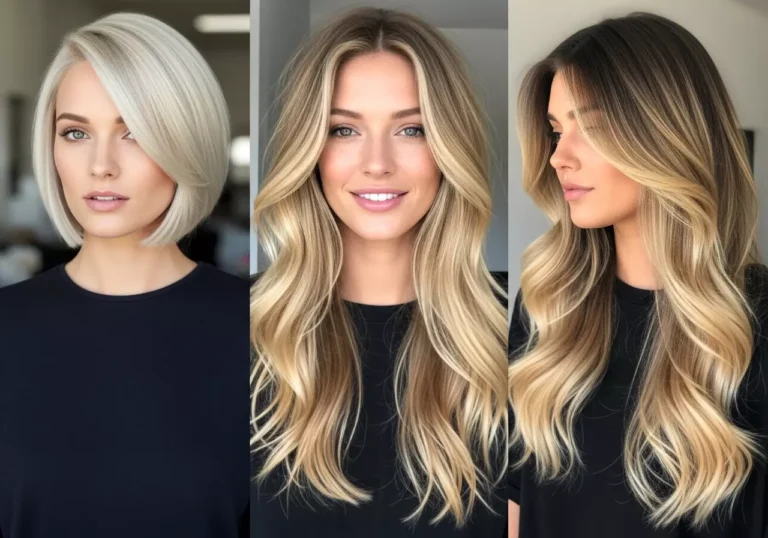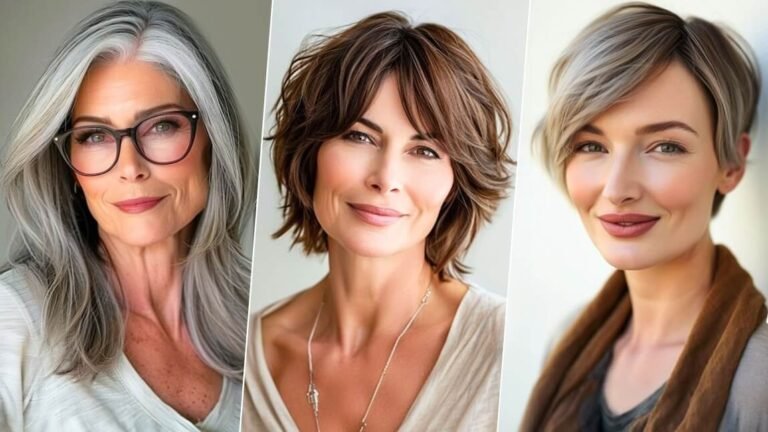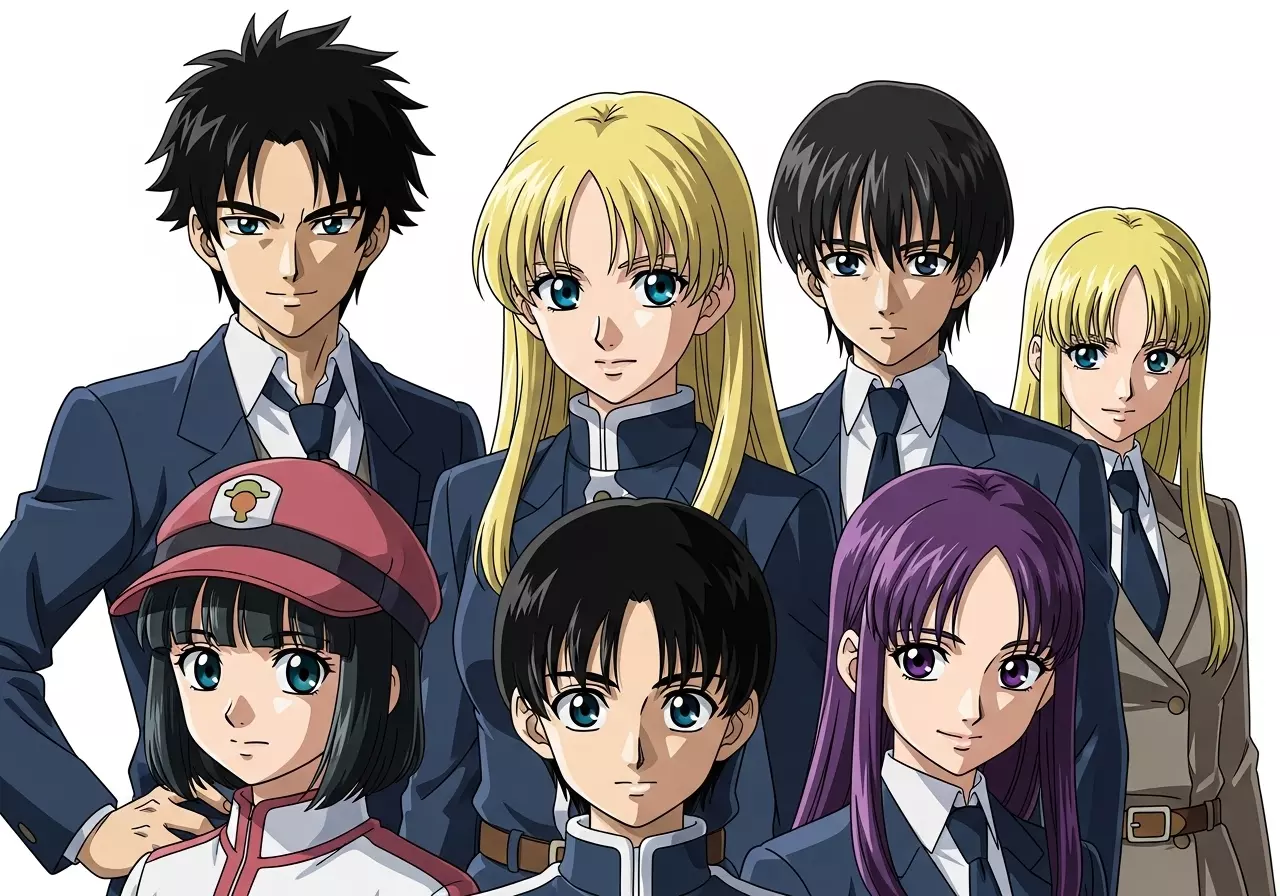
The Complete Guide to Iconic Anime Hair Designs and Trends
Anime hair is one of the most iconic features in anime, instantly showing a character’s personality and style.
From bold spikes to vibrant colors, it has evolved into a creative and expressive art form. This guide explores the most popular anime hair designs, trends, and tips for drawing or recreating them.
1. History of Anime Hair Styles: From Classic to Modern Trends
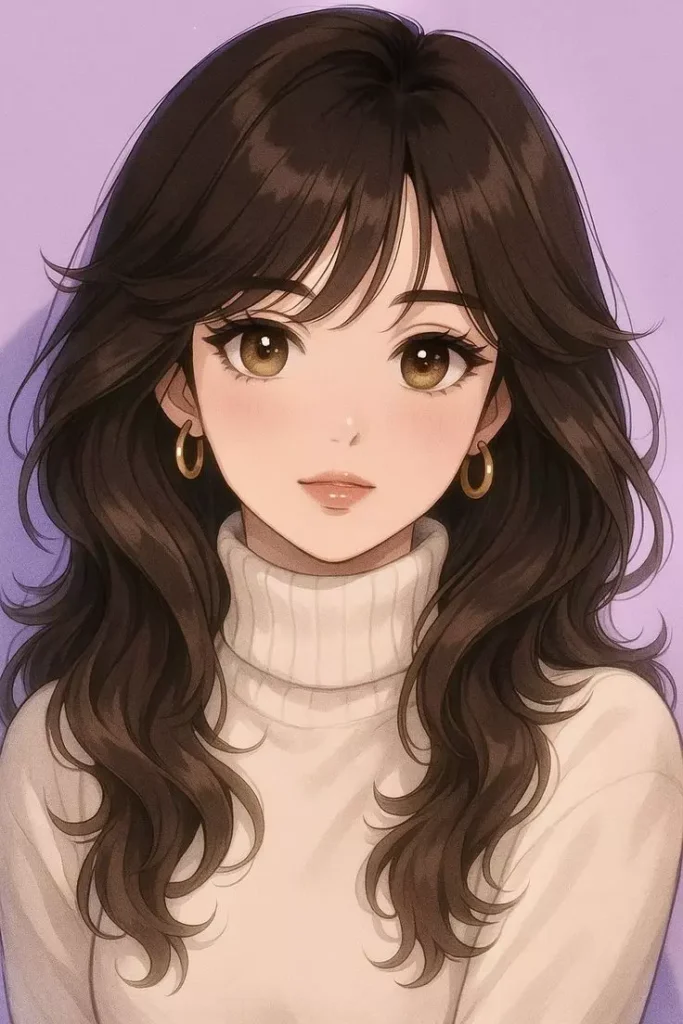
Anime hair has evolved dramatically over the decades, from the simple, classic styles of the 1960s to the vibrant, gravity-defying designs of modern series. Early anime characters often had minimalistic hairstyles, focusing on clear shapes and natural colors.
As animation techniques improved and audiences grew, creators began experimenting with bold colors, unique silhouettes, and exaggerated features, making hair a defining aspect of character identity. This historical perspective helps fans understand why certain designs remain timeless and influential today.
2. Top 10 Most Recognizable Anime Hair Designs of All Time
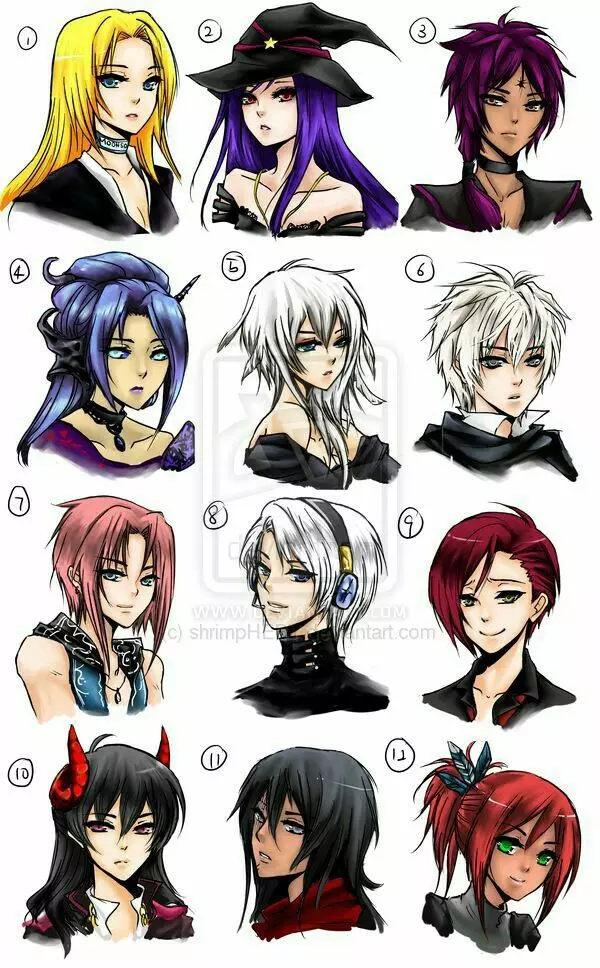
Certain anime hair styles have become instantly recognizable, symbolizing the characters themselves. From spiky, golden locks of shonen heroes to long, flowing hair in romantic series, these styles capture imagination and personality.
Highlighting the top 10 most iconic designs allows fans and cosplayers to identify trends, draw inspiration, and recreate these memorable looks in artwork or real-life cosplay. These designs often inspire new generations of artists and trendsetters in anime culture.
3. Different Types of Anime Hair: Spiky, Long, Short, and More
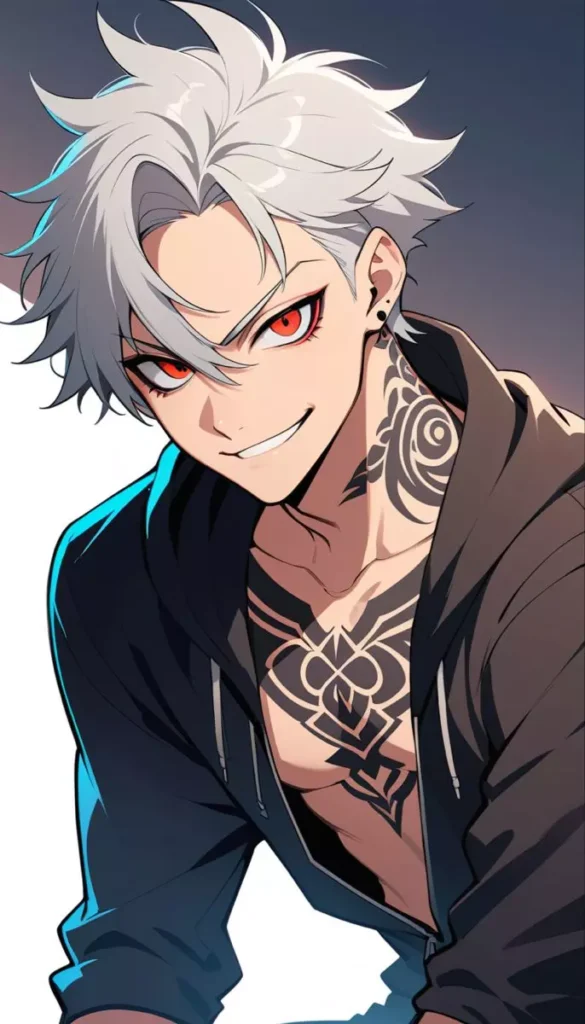
Anime hair comes in countless forms, including spiky, long, short, twin-tails, buns, and layered designs. Each type serves a purpose: spiky hair often indicates energy or rebelliousness, while long, flowing hair can suggest elegance or mystery.
By exploring different types, artists and fans can better understand character design, expression, and how hairstyles contribute to storytelling in anime. Experimenting with different hair types can also help cosplayers achieve authentic character looks.
4. Anime Hair Colors Explained: From Natural Shades to Vibrant Hues
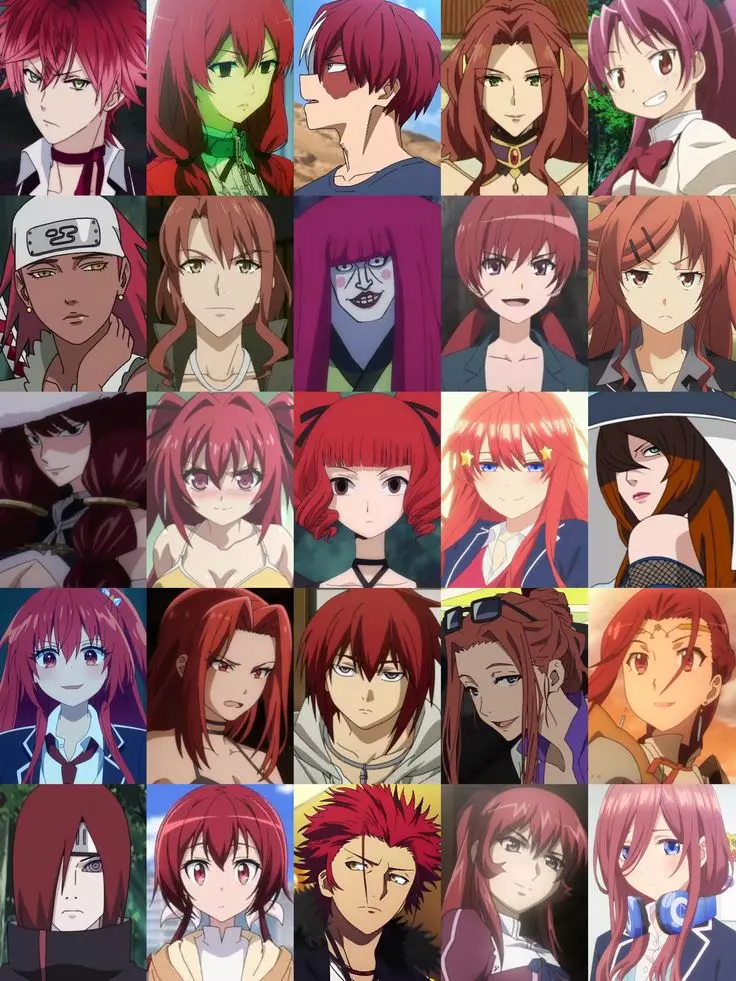
Anime characters feature a wide spectrum of hair colors, ranging from natural browns and blacks to vibrant pinks, blues, and greens. Hair color often symbolizes personality traits, emotions, or narrative roles, making it an essential tool for storytelling.
Learning how to use and interpret anime hair colors can inspire artists, cosplayers, and content creators to design striking, memorable characters. Choosing the right color palette can dramatically enhance a character’s visual appeal.
5. How Anime Hair Reflects Character Personality and Storytelling
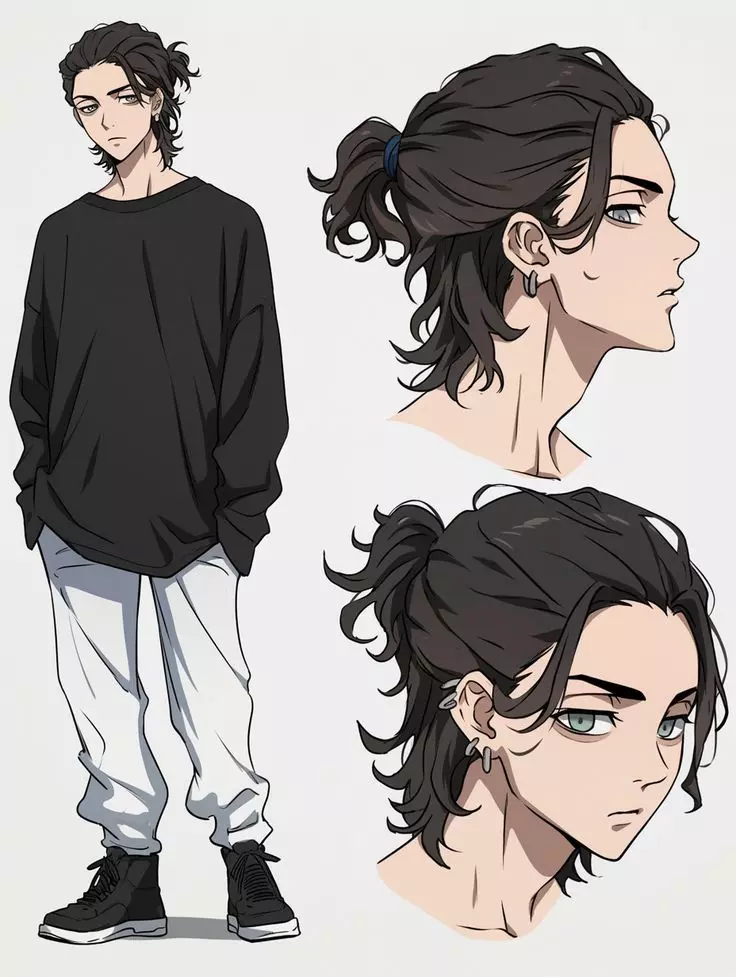
In anime, hair is more than aesthetic—it’s a storytelling device. Spiky hair can indicate a rebellious nature, soft curls may reflect gentleness, and bold colors often highlight unique powers or traits.
By analyzing hair in context, fans can gain insights into a character’s personality, motivations, and narrative importance, making hair a critical element of visual storytelling. This connection between hair and personality helps characters become instantly recognizable.
6. Step-by-Step Guide to Drawing Anime Hair for Beginners
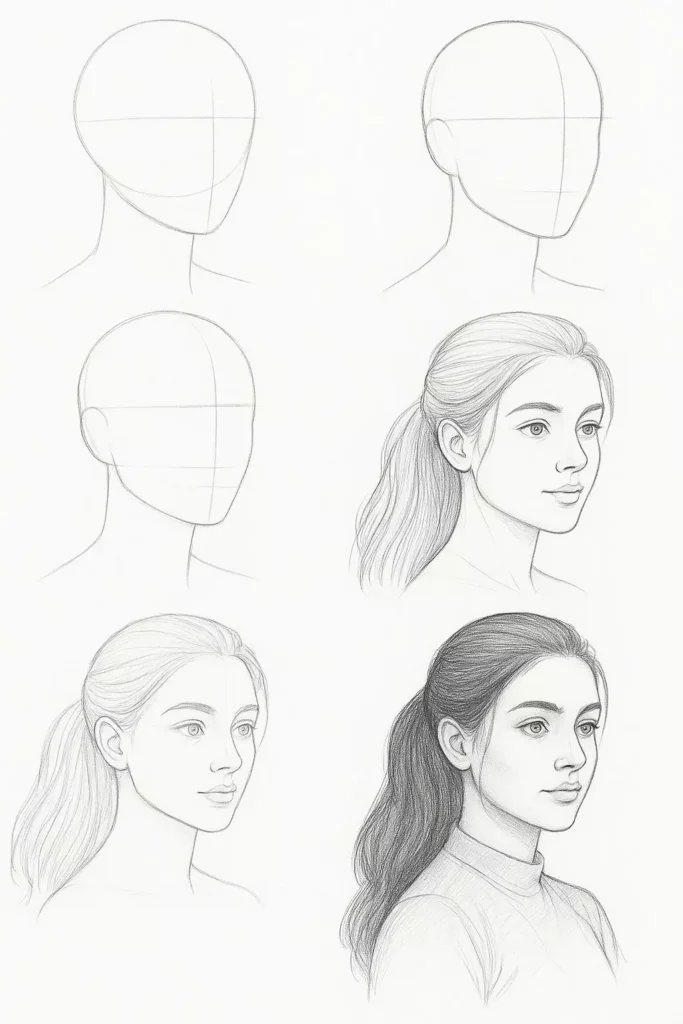
Drawing anime hair can seem intimidating, but breaking it into steps makes it manageable. Start with basic shapes to define volume, then sketch layers, strands, and highlights. Understanding direction, flow, and hair physics helps beginners achieve a natural yet stylized look.
Practice, observation, and patience are key to mastering anime hair illustration. Following a structured approach ensures consistent improvement and creative confidence.
7. Advanced Techniques for Shading and Styling Anime Hair
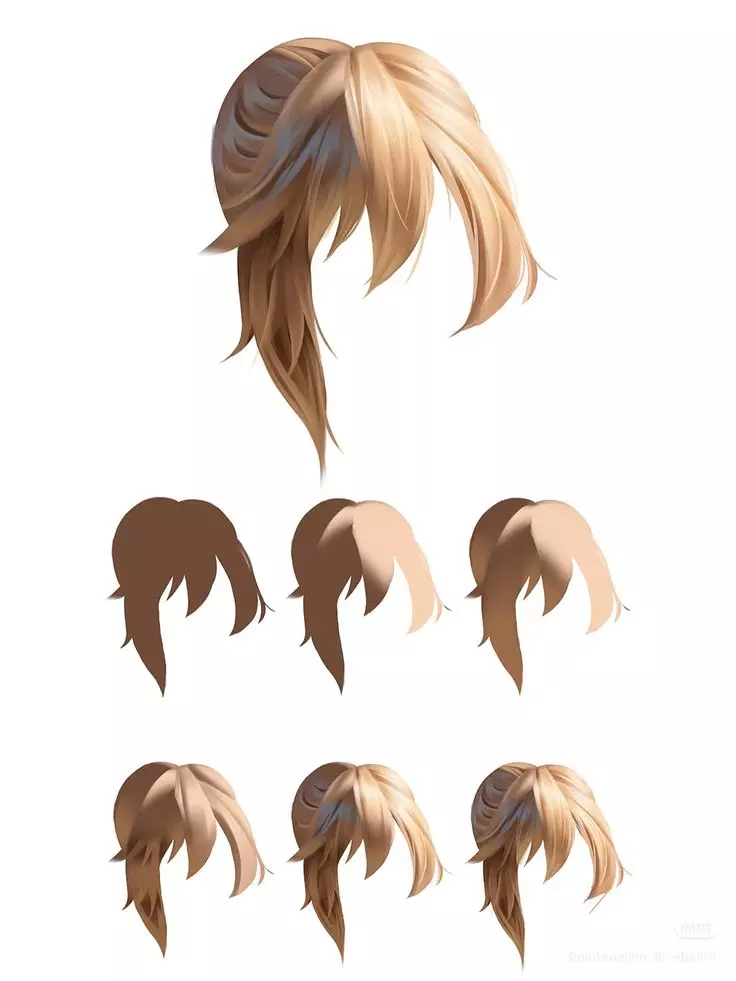
Once the basic hair shape is mastered, advanced techniques like gradient shading, highlights, and strand detailing bring anime hair to life. Digital tools or traditional media can create depth, shine, and texture, making characters visually striking.
Experimenting with lighting angles and color blending adds realism while maintaining the signature anime style. Mastering these techniques can elevate an ordinary drawing into a professional-quality artwork.
8. Cosplay Guide: Recreating Iconic Anime Hair in Real Life
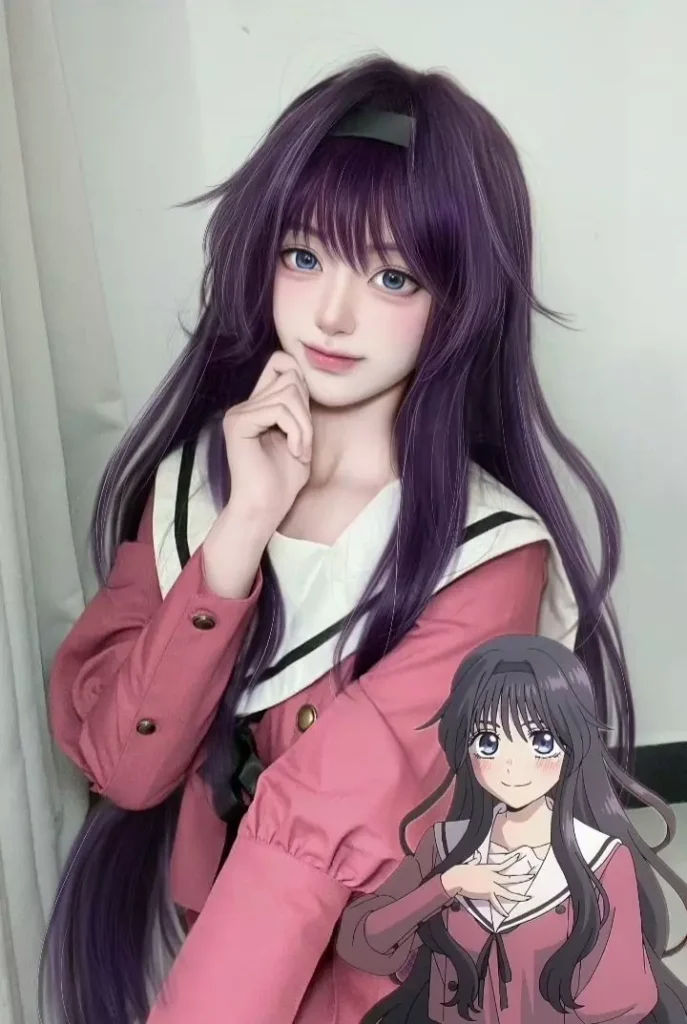
Anime hair can be brought to life through wigs, styling products, and creative techniques. Cosplayers often trim, dye, and style wigs to replicate gravity-defying shapes and vibrant colors. Accessories, heat tools, and hair sprays help maintain the iconic look for events, photoshoots, or conventions.
A solid understanding of the character’s hair design ensures an authentic recreation. Attention to small details like parting, layers, and shine makes cosplay more realistic.
9. Anime Hair Accessories: Clips, Ribbons, and Unique Styling Tools
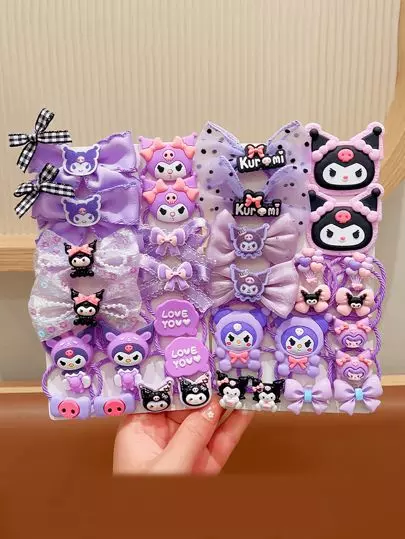
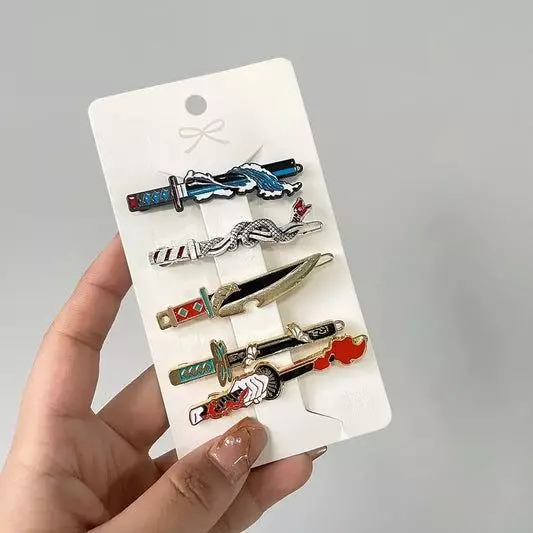
Accessories like hair clips, ribbons, pins, and headbands are common in anime hair design. They add personality, enhance aesthetics, and sometimes carry symbolic meaning. For cosplayers and artists, understanding how to incorporate these details elevates accuracy and visual appeal, making characters more recognizable and faithful to their original designs. Including these accessories can transform a simple hairstyle into a signature look.
10. Trending Anime Hair Styles for 2026: What’s In and Out
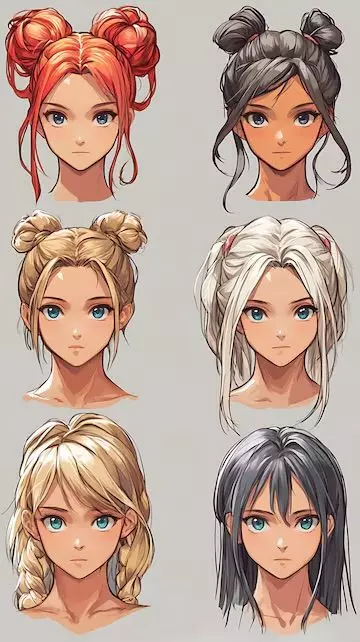
Anime hair trends change with each year, influenced by popular series and cultural shifts. In 2026, vibrant pastel colors, layered cuts, and hybrid styles are gaining popularity, while overly simplistic designs may be less prominent.
Staying updated on current trends helps fans, artists, and cosplayers remain relevant, inspired, and on-trend with their creations. Following trends can also help content creators attract more viewers and readers online.
11. Common Mistakes to Avoid When Designing Anime Hair
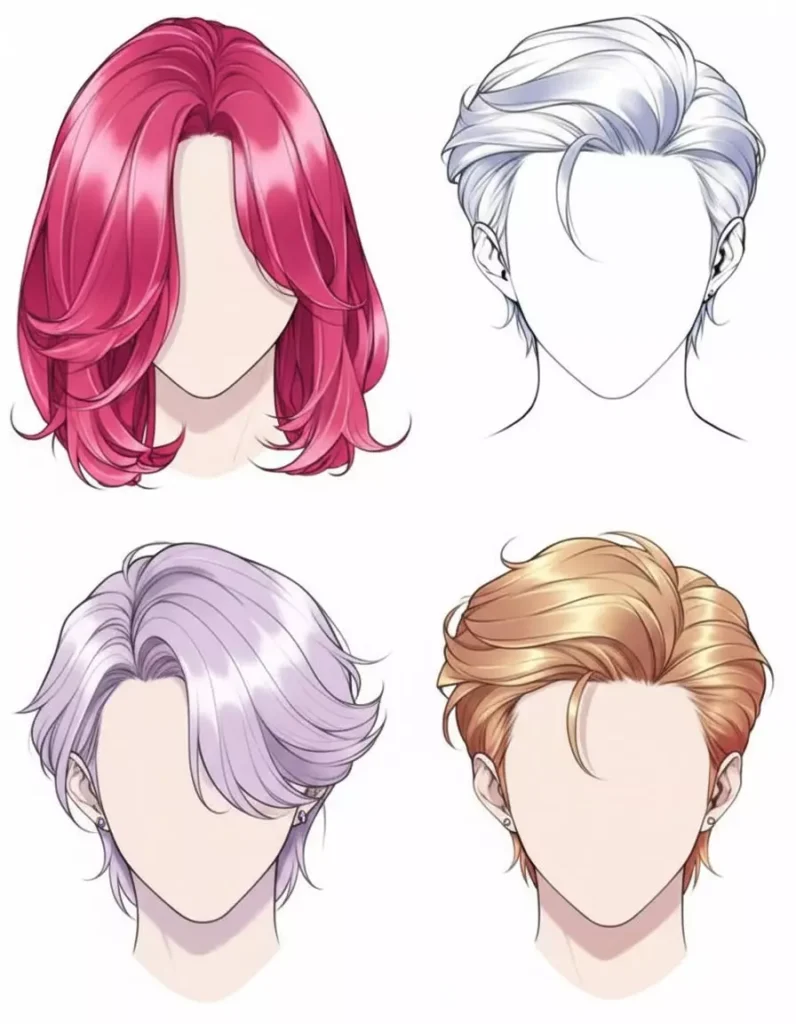
Beginners often make mistakes like ignoring hair volume, direction, or layering, leading to unnatural results. Overcomplicating strands or neglecting shading can also make hair appear flat.
Learning common pitfalls and how to avoid them helps artists create believable, dynamic anime hair that enhances character design rather than detracting from it. Being aware of these mistakes saves time and improves overall artwork quality.
12. Anime Hair in Different Genres: Shonen, Shojo, and Seinen
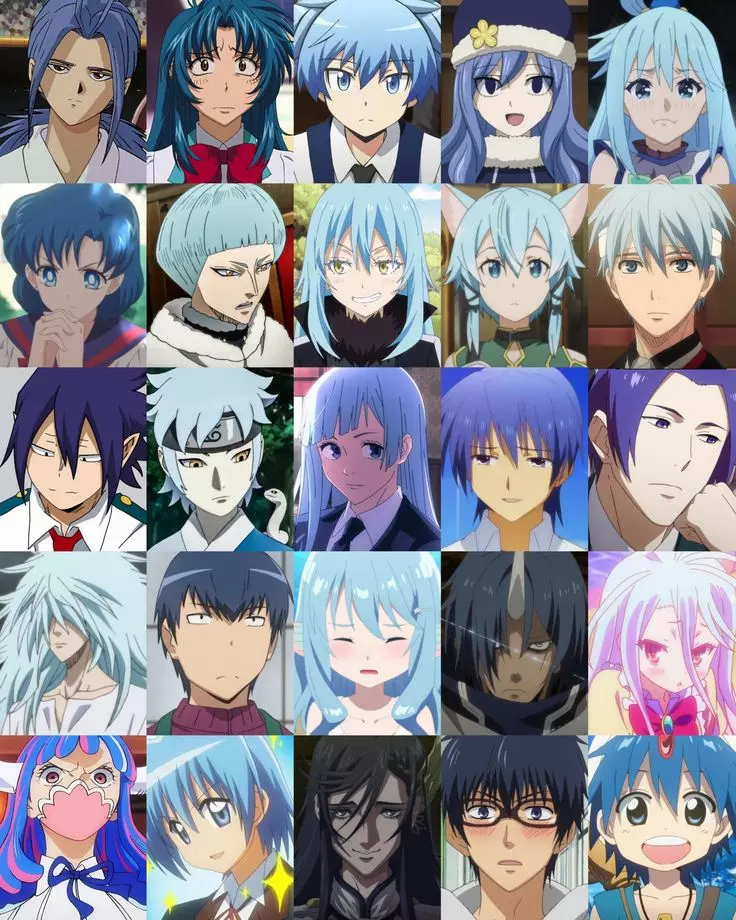
Different anime genres use hair to convey mood and character type. Shonen often features bold, spiky hairstyles for energetic heroes, shojo emphasizes elegant, flowing hair for romantic leads, and seinen may use realistic or subtle styles for mature storytelling.
Recognizing genre-specific patterns helps artists, cosplayers, and fans understand stylistic conventions. Exploring genre differences also inspires unique hair designs for original characters.
13. Fan-Favorite Anime Hair Transformations and Makeovers
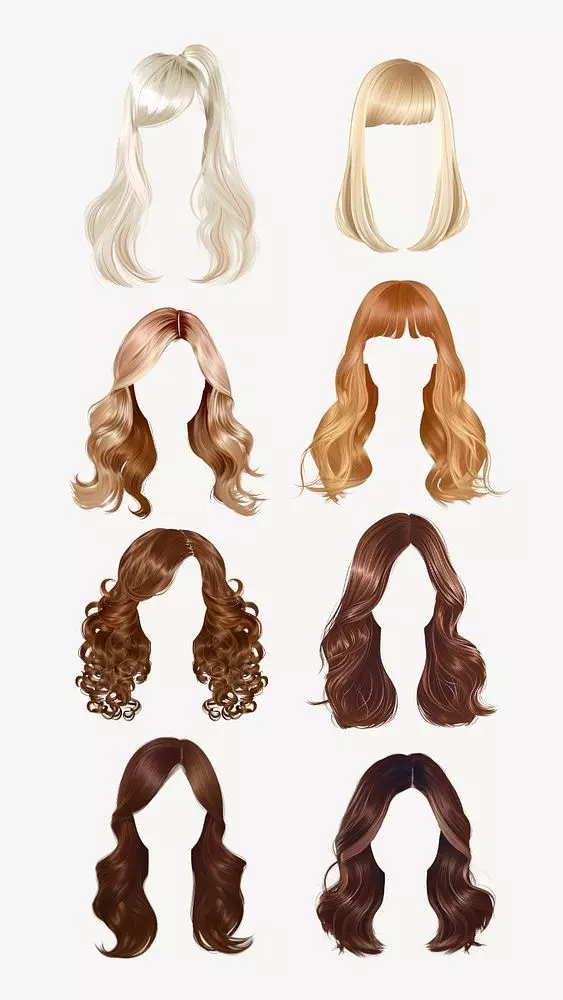
Anime characters sometimes undergo hair transformations, signaling growth, new powers, or story progression. Fans love these changes, from color shifts to dramatic cuts, as they enhance emotional impact and visual excitement.
Studying these transformations provides inspiration for character design, cosplay, and fan art, keeping content fresh and engaging. These transformations often become iconic moments that define a character’s journey.
FAQs
1. What makes anime hair so iconic?
Anime hair is iconic because it reflects a character’s personality, role, and emotions through unique shapes, colors, and styles. It often defies real-world physics to create a visually striking look.
2. How do I draw anime hair realistically?
Start with basic shapes and volume, then add layers, strands, and highlights. Practice shading, direction, and flow to achieve a natural yet stylized anime look.
3. What are the most popular anime hair colors?
Natural shades like black, brown, and blonde remain popular, while vibrant colors like pink, blue, and green often highlight unique characters or powers.
4. Can I recreate anime hair in real life?
Yes! Cosplayers use wigs, dyes, styling products, and accessories to replicate anime hairstyles. Attention to layers, volume, and color is key.
5. How do anime hair trends change over time?
Trends evolve with popular series and audience preferences. New colors, shapes, and hybrid styles emerge, while overly simplistic or outdated designs become less common.
Conclusion
Anime hair is more than just a visual feature—it’s a key part of storytelling, character personality, and artistic expression. From classic designs to modern trends, each hairstyle tells a story and inspires fans, artists, and cosplayers alike. By understanding different types, colors, and styling techniques, you can draw, recreate, or even design your own iconic anime hair. Whether for art, cosplay, or appreciation, mastering anime hair brings characters to life and keeps the creativity flowing.