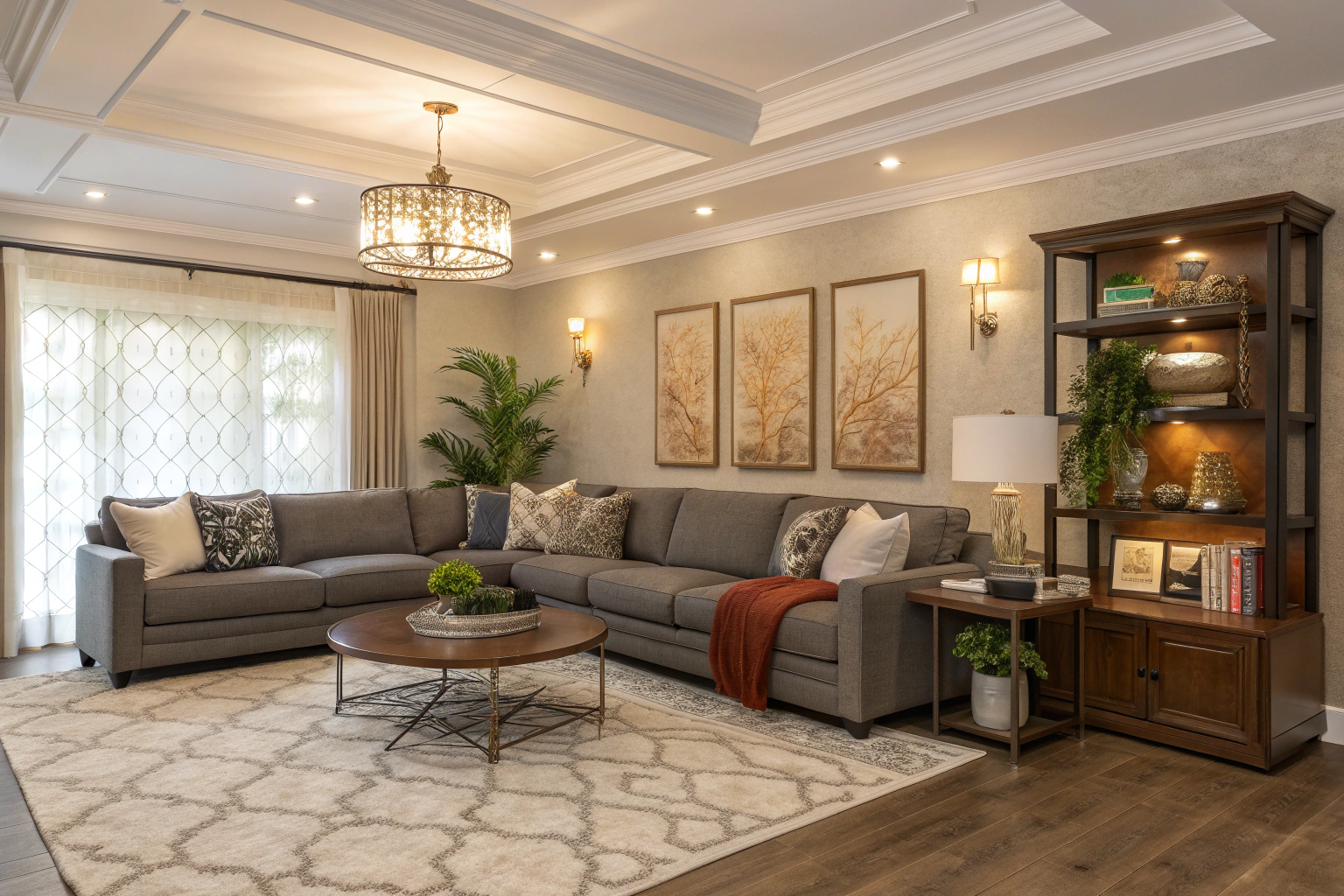
How to Style a Living Room Like an Interior Designer (Easy Pro Tips)
Styling a living room like a professional interior designer may seem expensive or complicated, but the truth is it’s all about smart choices, balance, and attention to detail. Interior designers follow a set of principles that help create spaces that feel cohesive, comfortable, and visually stunning. The good news is that you can apply these same principles to your own living room without a huge budget.
Whether you’re starting from scratch or refreshing an existing space, this guide will walk you through how to style a living room like an interior designer, step by step. From furniture layout and color palettes to lighting, textures, and finishing touches, you’ll learn exactly how designers achieve that polished, magazine-worthy look.
Start With a Clear Design Vision
Interior designers never decorate randomly. They begin with a clear vision for the space.
Before buying anything, ask yourself what mood you want to create, what interior style you love, and how the room will be used on a daily basis. Whether your goal is cozy, modern, elegant, or relaxed, having a clear direction will help you make consistent design choices.
Give your walls the upgrade they’ve been missing. This 3-piece framed abstract wall art set combines bold black-and-white geometric designs with a modern neutral aesthetic, creating an instant statement above your sofa, bed, dining area, or office. Already a popular choice with 200+ bought recently check the current price before it changes.


Choosing one main style and sticking to it prevents clutter and mismatched decor. Creating a Pinterest inspiration board can help you identify recurring colors, furniture shapes, and layouts that match your taste.
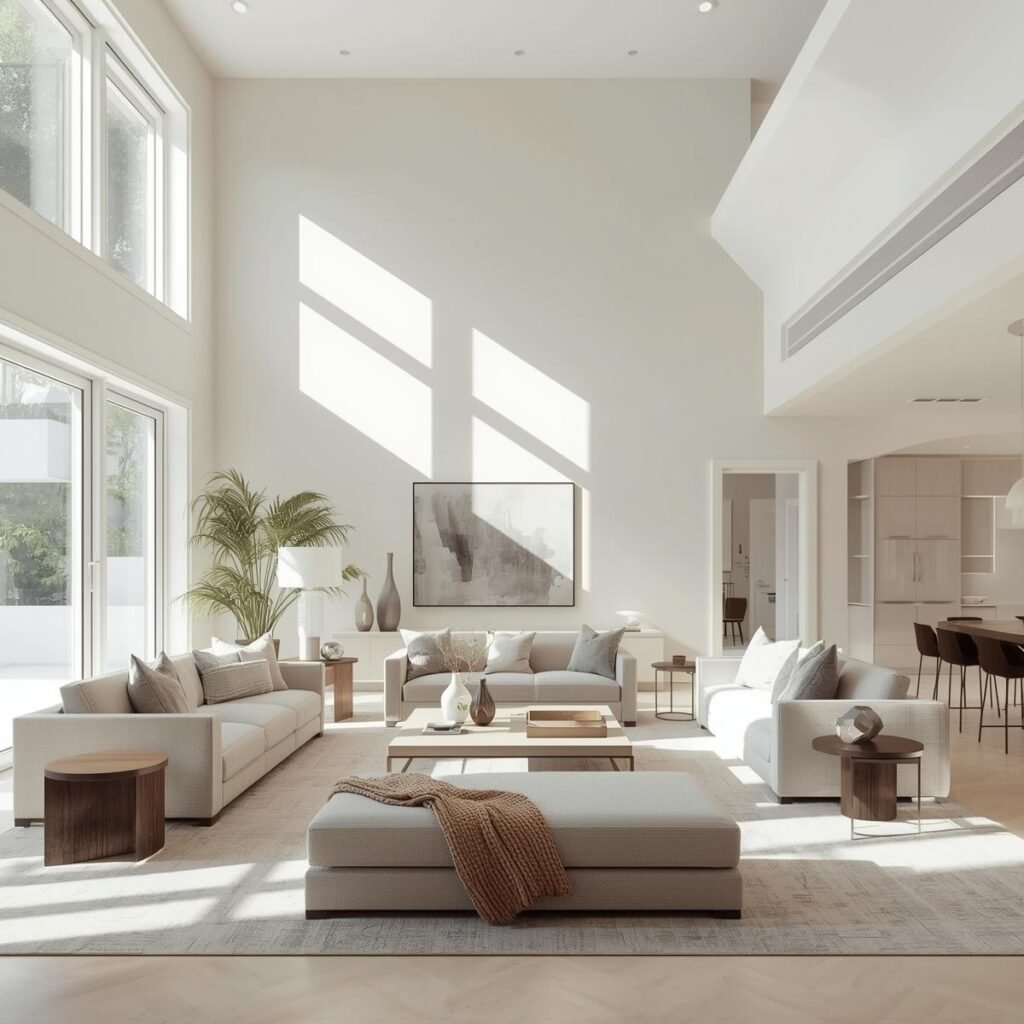
Choose a Sophisticated Color Palette
Color plays a major role in professional interior design. A well-planned color palette instantly makes a living room feel intentional and stylish.
Designers typically work with a base color such as white, beige, or soft gray, a secondary color for depth like sage green or navy, and one or two accent colors for contrast. Limiting your palette to three or four colors creates harmony and avoids visual overload.
Neutral living room color schemes are timeless and allow you to refresh the space easily by changing accessories rather than repainting walls or replacing furniture.
Master the Furniture Layout
A beautiful living room always starts with the right layout. Interior designers focus on functionality and flow before adding decor.
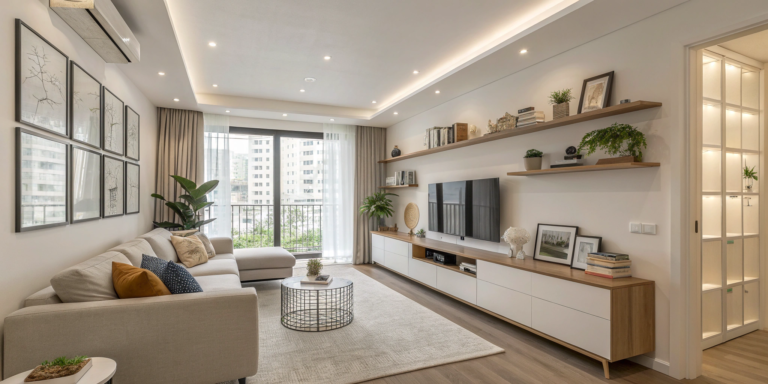
Furniture should be arranged to encourage conversation and movement. Avoid pushing everything against the walls, as this makes the room feel empty in the center. Instead, try floating furniture and anchoring it with a rug.
Your seating should face the room’s focal point, such as a television, fireplace, or large window. Leave enough walking space so the room feels open and comfortable rather than crowded.
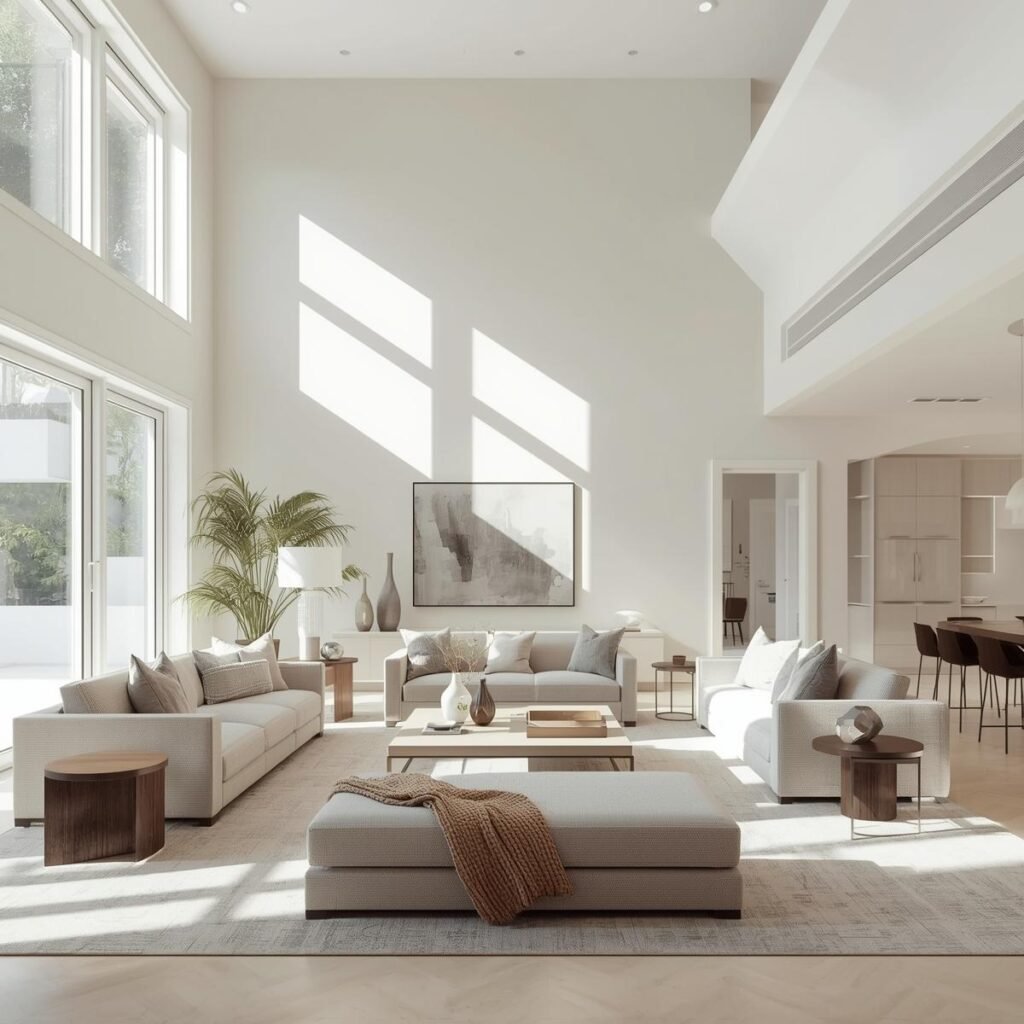
Invest in the Right Sofa
The sofa is the most important piece in a living room. Designers often choose timeless shapes and neutral fabrics that will last for years.
A well-proportioned sofa in linen, cotton, velvet, or leather provides a strong foundation for the rest of the decor. Neutral upholstery allows you to experiment with pillows, throws, and seasonal accents without committing to bold furniture choices.
Choosing quality over trends ensures your living room stays stylish long-term.
Layer Lighting Like a Professional
Lighting is one of the most overlooked elements in home styling. Interior designers rely on layered lighting to create warmth and depth.
Ambient lighting provides overall brightness, task lighting helps with reading or work, and accent lighting highlights decor and architectural features. Combining these layers transforms the atmosphere of a living room, especially in the evening.
Warm lighting tones create a cozy and inviting feel, while multiple light sources prevent harsh shadows.
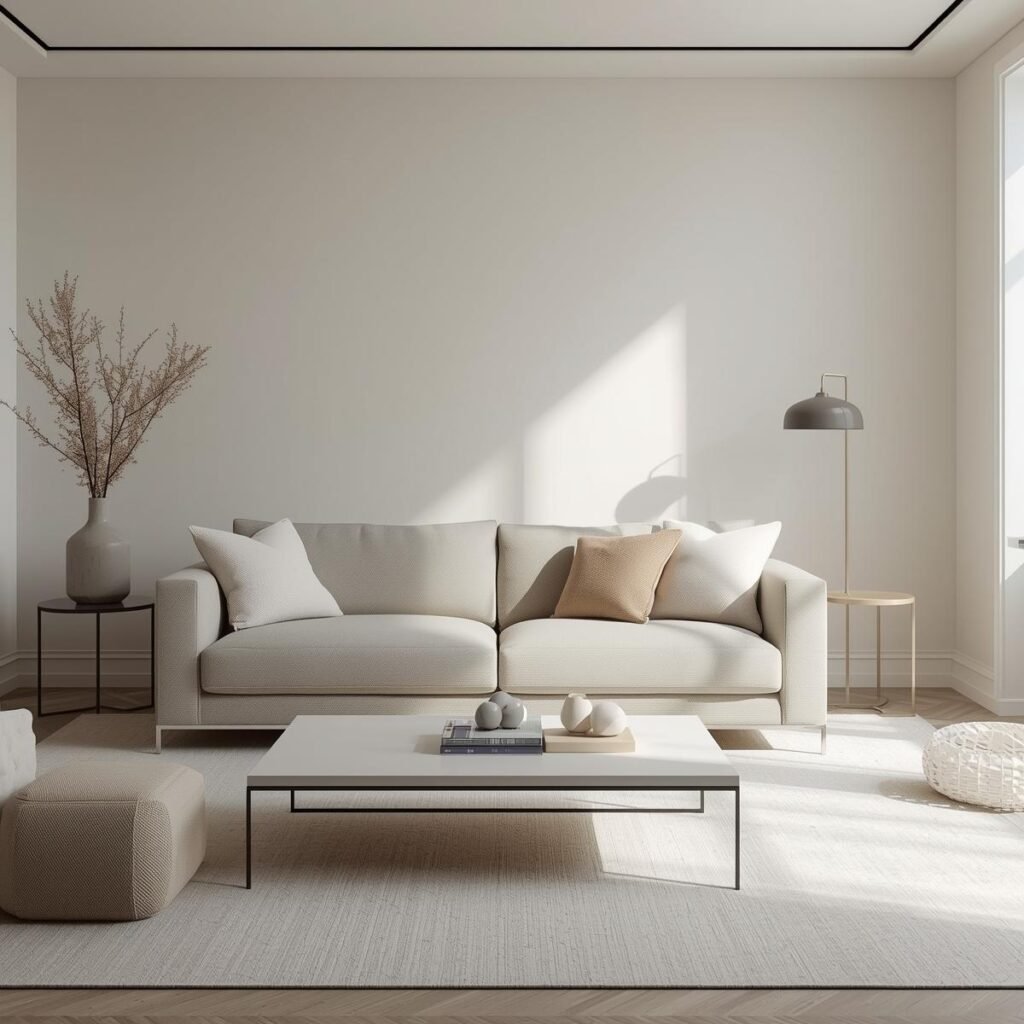
Use Rugs to Define the Space
Rugs are essential for grounding furniture and defining zones in a living room.
Designers almost always choose rugs that are larger than expected. The front legs of sofas and chairs should sit on the rug to visually connect the seating area. A rug that is too small makes the space feel disconnected and unfinished.
Neutral or lightly patterned rugs are versatile and work well with most design styles.
Style Coffee Tables and Side Tables Thoughtfully
Interior designers treat surfaces as styling opportunities rather than storage spaces.
Decor is usually grouped in odd numbers and varied heights to create visual interest. A stack of books, a decorative object, and a small plant or candle is a classic combination that works in almost any living room.
Avoid overcrowding tables, as negative space is just as important as the objects themselves.
Add Texture for a Luxurious Look
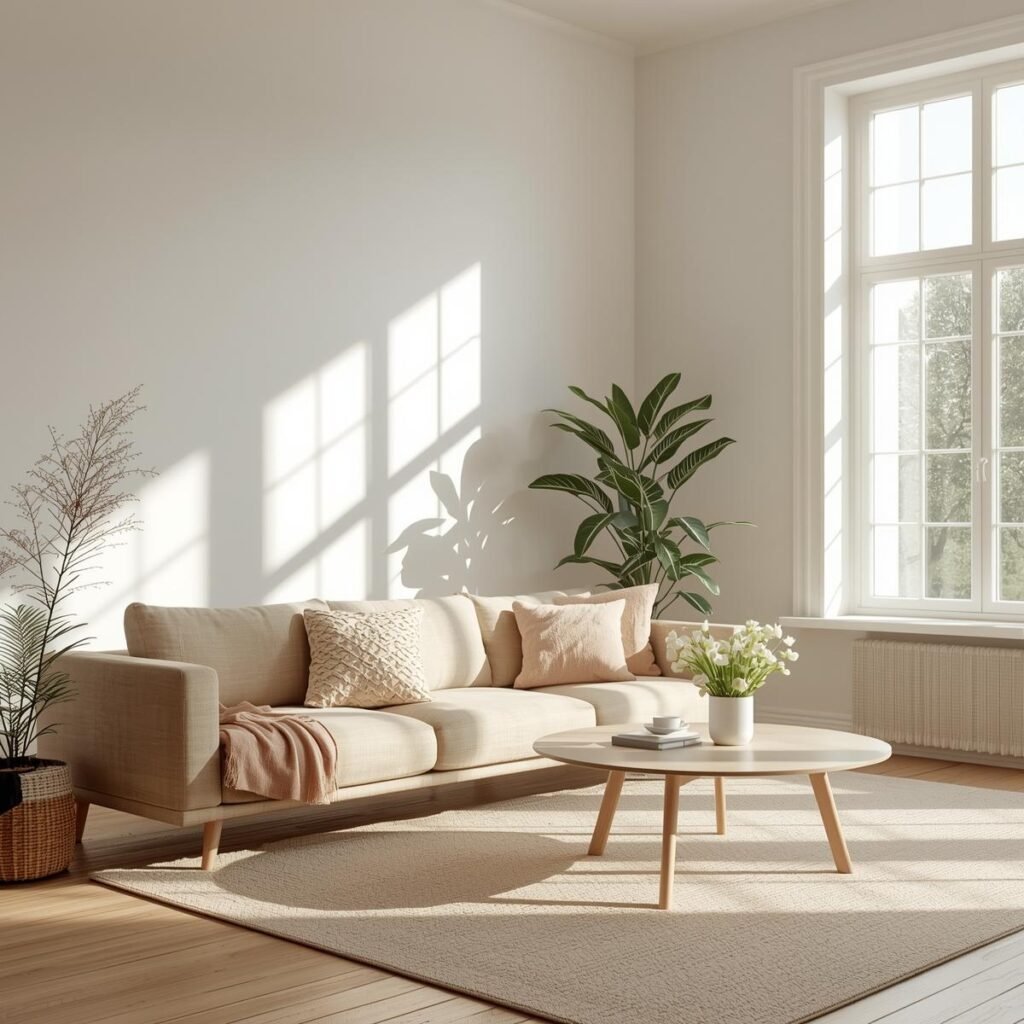
Texture is what makes a living room feel rich and layered, even when using a neutral color palette.
Designers mix soft and hard materials such as velvet cushions, linen curtains, wooden furniture, ceramic accessories, and woven baskets. This contrast adds depth and prevents the room from feeling flat or boring.
Layering textures is one of the easiest ways to elevate a space without spending much money.
Incorporate Art and Wall Decor Strategically
Art instantly elevates a living room when placed correctly.
Large-scale artwork often looks more sophisticated than multiple small pieces. Art should generally be hung at eye level and aligned with furniture to create balance.
Gallery walls can work beautifully when they follow a consistent color scheme and frame style. You don’t need expensive art—prints, photography, or even framed textiles can look high-end when styled intentionally.
Use Curtains to Add Height and Elegance
Curtains are a favorite designer trick for making a room feel taller and more polished.
Hanging curtain rods closer to the ceiling and extending them beyond the window frame makes windows appear larger. Floor-length curtains in light, flowing fabrics add softness and elegance to the living room.
This simple change can dramatically improve the overall look of the space.
Bring Life Into the Room With Greenery
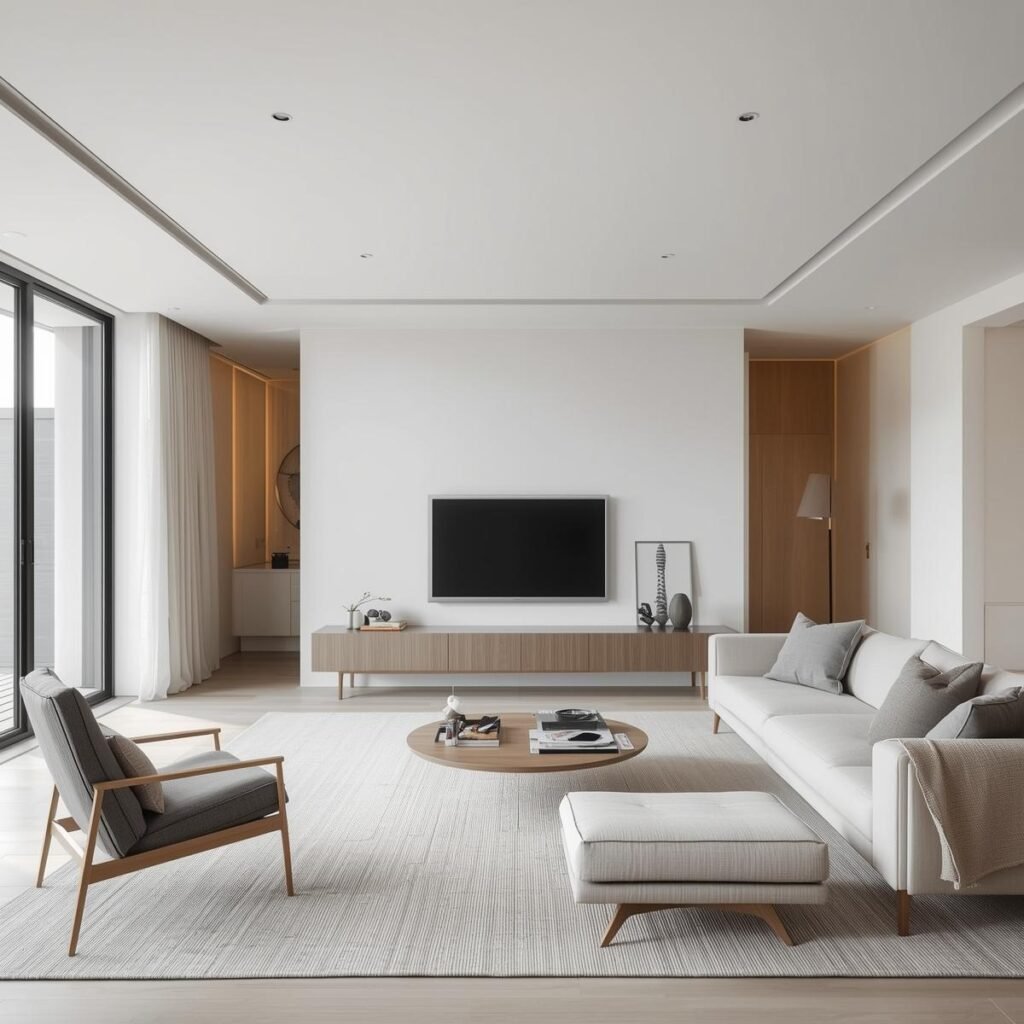
Plants add freshness, color, and texture to a living room.
Interior designers often use large statement plants like fiddle leaf figs or olive trees to fill empty corners. Smaller plants work well on shelves, coffee tables, and sideboards.
If maintaining real plants is difficult, high-quality faux plants can provide the same visual impact with zero upkeep.
Edit and Declutter Like a Designer
One major difference between a professionally styled living room and an average one is editing.
Designers carefully remove items that don’t serve a purpose, clash with the color palette, or create unnecessary clutter. A clean, well-edited space always looks more expensive and intentional.
Leaving some surfaces empty allows key decor pieces to stand out.
Add Personal Touches at the End
A designer-styled living room should still feel personal and welcoming.
Finishing touches like family photos, meaningful souvenirs, favorite books, or sentimental objects give the space character. These elements prevent the room from feeling staged and make it truly yours.
Personal details work best when they complement the overall design rather than overpower it.
Final Thoughts
Styling a living room like an interior designer is not about copying trends or spending a fortune. It’s about understanding layout, color, lighting, texture, and balance. When you apply these principles thoughtfully, your living room will feel polished, comfortable, and timeless.
Take your time, focus on quality over quantity, and allow your space to evolve naturally. With these professional interior design tips, you can create a living room that looks elegant, inviting, and beautifully styled.